Tuesday, November 14, 2017

Intellectual Disability and the Death Penalty: Current Issues and Controversies: Marc J. Tassé Ph.D., John H. Blume JD MAR: 9781440840142: Amazon.com: Books


Providing key information for students or professionals in the fields of criminology, education, psychology, law, and law enforcement, this book documents the legal and clinical aspects of the issues related to intellectual disability and the death penalty.


• Provides a comprehensive review of the legal and clinical aspects of the death penalty and intellectual disability

• Offers a detailed discussion of the Supreme court decision in Atkins v. Virginia as well as a review of court decisions since that 2002 ruling

• Details the diagnostic issues related to determination of intellectual disability, such as the assessment of intellectual functioning, adaptive behavior, and age of onset

• Shares best practices in clinical assessment and important forensic matters that must be considered


Differentiation of cognitive abilities in the WAIS-IV at the item level - ScienceDirect


Abstract

It is known that studying the differentiation of cognitive abilities is associated with many methodological challenges. In the recent years, methods have been developed to address these challenges. However, these methods require that the item scores of an intelligence test are combined into a composite score which may affect the power to detect the differentiation effect or even produce spurious results. Therefore, in this study, an item level approach is presented that can be used to simultaneously test for ability differentiation, age differentiation, and age differentiation-dedifferentiation. The new method is investigated in two small simulation studies, and applied to the standardization data of the Hungarian WAIS-IV. Results indicate that the ability differentiation effect is consistently present in the items of the WAIS-IV while there is no consistent age differentiation and/or age differentiation-dedifferentiation effect.


Differentiation of cognitive abilities and the Medical College Admission Test - ScienceDirect

https://www.sciencedirect.com/science/article/pii/S0191886917306608

Monday, November 13, 2017

Memory complaints and cognitive decline: Data from the GuidAge study


Memory complaints and cognitive decline: Data from the GuidAge study

From THE SCIENCE OF My LIFE, a Flipboard magazine by duskdiver

A memory complaint, also called Subjective Cognitive Decline (SCD), is a subjective disorder that appears to be relatively common,…

Read it on Flipboard

Read it on eurekalert.org


******************************************************
Kevin McGrew, PhD
Educational Psychologist
Director, Institute for Applied Psychometrics
IAP
******************************************************

Neurons are seen exploding across the brain "like fireworks" in the most detailed map ever made


Neurons are seen exploding across the brain "like fireworks" in the most detailed map ever made

From Brain Philosophy, a Flipboard magazine by Sandra Clark

Beyond teaching us more about the structure of the brain, these maps could help unlock some of the…

Read it on Flipboard

Read it on alphr.com


Sunday, November 12, 2017

Brain imaging reveals brain stem alterations in children with autism


Brain imaging reveals brain stem alterations in children with autism

From Brain/Vision, a Flipboard magazine by CinemaoftheMind

Children with autism show different patterns of connectivity than controls do in brain stem regions associated with balance.…

Read it on Flipboard

Read it on spectrumnews.org


Saturday, November 11, 2017

Tactile abilities (Gh) in the CHC taxonomy overview. Plus new study with possible support for tactile working memory

Interesting new study that provides some support for a possible tactile working memory (Gwm) ability in the CHC taxonomy. Much more research needed before one could consider adding it to CHC taxonomy. Click on image to enlarge.


Article link.

Abstract

The human prefrontal cortex (PFC) has been shown to be important for metacognition, the capacity to monitor and control one's own cognitive processes. Here we dissected the neural architecture of somatosensory metacognition using navigated single-pulse transcranial magnetic stimulation (TMS) to modulate tactile working memory (WM) processing. We asked subjects to perform tactile WM tasks and to give a confidence rating for their performance after each trial. We circumvented the challenge of interindividual variability in functional brain anatomy by applying TMS to two PFC areas that, according to tractography, were neurally connected with the primary somatosensory cortex (S1): one area in the superior frontal gyrus (SFG), another in the middle frontal gyrus (MFG). These two PFC locations and a control cortical area were stimulated during both spatial and temporal tactile WM tasks. We found that tractography-guided TMS of the SFG area selectively enhanced metacognitive accuracy of tactile temporal, but not spatial WM. Stimulation of the MFG area that was also neurally connected with the S1 had no such effect on metacognitive accuracy of either the temporal or spatial tactile WM. Our findings provide causal evidence that the PFC contains distinct neuroanatomical substrates for introspective accuracy of tactile WM.


Key words: metacognition, TMS, tractography, working memory

——————————

Below is a section (submitted draft copy) of our (Joel Schneider and I) forthcoming CHC update chapter. In Gh we currently did not see enough support for a tactile working memory factor, although we have speculated that such memory may exist (see italic font sections).

Schneider, W. J., & McGrew, K. S. (in press). The Cattell-Horn-Carroll Theory of Cognitive Abilities. In D. P. Flanagan & Erin M .McDonough (Eds.), Contemporary intellectual assessment: Theories, tests and issues (4thed.,) New York: Guilford Press.  Here is link to current 3rd edition.

SUBMITTED DRAFT: DO NOTE QUOTE

Tactile abilities (Gh):  Tactile abilities (Gh) can be defined as the ability to detect and process meaningful information in haptic (touch) sensations. It includes perceiving, discriminating and manipulating touch stimuli.

Gh refers not to sensitivity of touch, but to the cognition one performs with tactile sensations. Because this ability is not yet well defined and understood, it is hard to describe authoritatively. We speculate that it will include such things as tactile visualization (object identification via palpation), localization (where has one been touched), memory (remembering where one has been touched), texture knowledge (naming surfaces and fabrics by touch), and many others. Tests of Gh have long been used in neuropsychological batteries because of their ability to detect brain injury, especially to the somatosensory cortex. Attempts to developed haptic-based assessment batteries have also been developed for individuals who are blind or have severe visual disabilities (e.g., the Blind Learning Aptitude Test).

Much to the disdain of new parents, our initial explorations of the world as infants is filled with touching, grabbing, and sucking almost any object within immediate reach. The human sense of touch, be it with our hands or mouth, provides perceptual information regarding our immediate environment and serves as a primary foundation for the development of many concepts. The importance of touch permeates our discussion of learning as “we often talk about ‘grasping’ an idea, ‘getting a handle on’ a problem, or being ‘touched’ by a reading” (Minogue & Jones, 2006, p. 317). Driven by recent technological developments in robotics, 3D printers (making it possible to develop precise 3D stimuli), prosthetic limbs and hands, touch screen mobile devices and haptic feedback displays, technology to aid the visually impaired, the teleoperation of remote sensing or manipulation devices (telesurgery; operating remote drones), virtual reality based training and simulation (e.g., training of surgeons), etc., there has been increasing interest and research into tactile or haptic abilities (Kappers & Bergmann Tiest, 2013).

Circumscribing the emerging research on haptic perception is beyond the scope of this chapter. Haptic perceptual characteristics include such material properties as roughness, compliance, viscosity, friction, temperature, density and weight, and spatial properties, such as shape, curvature, length, volume and orientation, as well as quantitative properties such as numerosity (Kappers & Bergmann Tiest, 2013). A complete understanding of haptic perception requires understanding the peripheral sensory receptors (in the skin, muscles, tendons and joints), research that has identified two channels of haptic perception (“what” and “where”), and other issues such as vision-touch interactions, affective touch, and neural plasticity (Lederman & Klatzky, 2009). Furthermore, consumer psychologists have learned that some individuals have a “need for touch” (Peck & Childers, 2003) when evaluating products to counter common visual misperceptions (some scientists refer to touch as the “reality sense”; Nuszbaum, Voss, Klauer, & Betsch, 2010). The implications of touch for cognition are recognized by many educators who advocate the use of “hands-on” instruction (see Minogue & Jones, 2006, for emerging educational applications of haptic sensations).

Narrow Abilities within Tactile Abilities (Gh)

Despite the recent increase and variety of haptic perception research and applications, the limited structural evidence research does not allow us to articulate a more nuanced version of the fundamental factors of haptic abilities than outlined in our 2012 chapter —there are yet no well-supported cognitive ability factors within Gh. Although Stankov, Seizova-Cajic and Roberts (2001) identified a narrow tactile sensitivity (TS) factor, this is a sensory ability (refers to the ability to make fine discriminations in haptic sensations) and not a cognitive ability. For example, if two caliper points are placed on the skin simultaneously, we perceive them as a single point if they are close together. Some people can make finer discriminations than others. The very narrow TS factor was found to be minimally related to higher-level broad CHC abilities (Gf, Gv, Ga; Stankov et al., 2001). Two new (or previously overlooked) Gh structural evidence studies summarized below were either inconclusive or are based on samples to small to suggest revisions to the Gh domain.

In a factor study of the tactile measures from the Dean-Woodcock Sensory Motor Battery and CHC measures with a conormed cognitive battery of measures representative of the Cattell-Horn-Carroll (CHC) model of intelligence, Decker (2010) found that the Palm Writing and Object Identification tests did not form a distinct Gh factor and either loaded on a processing speed (Gs) factor or were factorially complex (Gs and Gv). Ballesteros, Bardisa, Millar and Reales (2005) investigated the psychometric characteristics, including factor analysis, of a psychological test battery designed to measure the perceptual and cognitive abilities of children with visual handicaps. The 20-test battery materials consist of raised-dot, raised-surface shapes and displays, and familiar and novel 3-D objects that required active touch. In a small sample, exploratory factor analysis identified six factors—spatial comprehension, short-term memory, object identification, shape identification efficient exploration, material and texture discrimination. Given the small sample size and the lack of other CHC ability indicators, the Ballesteros et al. (2005) study can only be considered suggestive and a first step in the exploration of the structural nature of Gh.

Assessment Recommendations for Gh

Most practical and clinical applications of Gh tests actually use sensory acuity tests. There are currently no available tests of higher-order Gh processes that are clearly distinct from Gv or Gs. The Halstead-–Reitan Neuropsychological Test Battery and the Dean-Woodock–Woodcock Neuropsychological Battery include several Gh tests.

Comments and Unresolved Issues Related to Gh

1. How is Gh to be distinguished from Gv and Gf? Two well-designed studies (Roberts, Stankov, Pallier, & Dolph, 1997; Stankov et al., 2001) found it difficult to distinguish between complex tests assumed to measure Gh and well-defined markers of Gv and Gf. Why might this be so? If the test involves identifying common objects (coins, keys, books, etc.) by handling them while blindfolded, the examinee is essentially using the hands instead of the eyes to visualize an object in the “minds eyes.”

2. What about “dynamic touch”? Do abilities from the Gh and kinesthetic (Gk) domains combine to reflect individual differences in dynamic touch (Stankov et al., 2001; Turvey, 1996)?

3. Like the presence of imagery in vision and auditory abilities, does some form of haptic imagery ability exist? What role would it play in Gh abilities?


- Posted using BlogPress from my iPad

Friday, November 10, 2017

Research Byte: Is General Intelligence Little More Than the Speed of Higher-Order Processing?

Although a small sample, this is still and interesting study. The results are consistent with the continued nexus of the g, Gf, Gwm, attentional control and speed of higher order processing (especially P300 in ERP’s), white matter tract integrity and the PFIT model of intelligence as well as the recent process overlap theory (POT) of g.

Click on images to enlarge


Article link.

Anna-Lena Schubert, Dirk Hagemann, and Gidon T. Frischkorn Heidelberg University

ABSTRACT

Individual differences in the speed of information processing have been hypothesized to give rise to individual differences in general intelligence. Consistent with this hypothesis, reaction times (RTs) and latencies of event-related potential have been shown to be moderately associated with intelligence. These associations have been explained either in terms of individual differences in some brain-wide property such as myelination, the speed of neural oscillations, or white-matter tract integrity, or in terms of individual differences in specific processes such as the signal-to-noise ratio in evidence accumulation, executive control, or the cholinergic system. Here we show in a sample of 122 participants, who completed a battery of RT tasks at 2 laboratory sessions while an EEG was recorded, that more intelligent individuals have a higher speed of higher-order information processing that explains about 80% of the variance in general intelligence. Our results do not support the notion that individuals with higher levels of general intelligence show advantages in some brain-wide property. Instead, they suggest that more intelligent individuals benefit from a more efficient transmission of information from frontal attention and working memory processes to temporal-parietal processes of memory storage.

Keywords: ERP latencies, event-related potentials, intelligence, processing speed, reaction times


- Posted using BlogPress from my iPad

Thursday, November 09, 2017

Childhood Music Training Induces Change in Micro and Macroscopic Brain Structure: Results from a Longitudinal Study | Cerebral Cortex


Childhood Music Training Induces Change in Micro and Macroscopic Brain Structure: Results from a Longitudinal Study | Cerebral Cortex

From Neuro, a Flipboard magazine by Jack

Several studies comparing adult musicians and nonmusicians have…

Read it on Flipboard

Read it on academic.oup.com


Research Byte: What Causes the Anti-Flynn Effect? A Data Synthesis and Analysis of Predictors


Woodley of Menie, M. A., Peñaherrera-Aguirre, M., Fernandes, H. B. F., & Figueredo, A.-J. (2017). What Causes the Anti-Flynn Effect? A Data Synthesis and Analysis of Predictors. Evolutionary Behavioral Sciences. Advance online publication.

Article link.


Abstract

Anti-Flynn effects (i.e., secular declines in IQ) have been noted in a few countries. Much speculation exists about the causes of these trends; however, little progress has been made toward comprehensively testing these. A synthetic literature search yielded a total of 66 observations of secular IQ decline from 13 countries, with a combined sample size of 302,234 and study midyears spanning 87 years, from 1920.5 to 2007.5. Multilevel modeling (MLM) was used to examine the effect of study midyear, and (after controlling for this and other factors) hierarchical general linear modeling (GLM) was used to examine the following sequence of predictors: domain “g-ness” (a rank-order measure of g saturation) Index of Biological State (IBS; a measure of relaxed/reversed selection operating on g), per capita immigration, and the 2-way interactions IBS × g-ness and Immigration × g-ness. The MLM revealed that the anti-Flynn effect has strengthened in more recent years. Net of this, the GLM found that g-ness was a positive predictor; that is, less aggregately g-loaded measures exhibited bigger IQ declines; IBS was not a significant predictor; however immigration predicted the decline, indicating that high levels of immigration promote the anti-Flynn effect. Among the interactions there was a negative effect of the Immigration × g-ness interaction, indicating that immigration promotes IQ decline the most when the measure is higher in g-ness. The model accounted for 37.1% of the variance among the observations. (PsycINFO Database Record (c) 2017 APA, all rights reserved)


- Posted using BlogPress from my iPad

Monday, November 06, 2017

12 Finalists named to take part in the Brainnovations Pitch Contest (December 6th, 2017)


12 Finalists named to take part in the Brainnovations Pitch Contest (December 6th, 2017)

Proud and excited to announce the 12 groundbreaking startups that will get to pitch their idea and solutions at…

Read it on Flipboard

Read it on sharpbrains.com


Sunday, November 05, 2017

Wig (2017, in press)-Segregated Systems of Human Brain Networks


Click on images to enlarge.

Article link.

This is an excellent and thought provoking brain network review that addresses the push-pull between optimal (and necessary) brain network segregation and more transient and fluid integration “on demand” to meet new task demands. Excellent summary.


ABSTRACT

The organization of the brain network enables its function. Evaluation of this
organization has revealed that large-scale brain networks consist of multiple segregated subnetworks of interacting brain areas. Descriptions of resting state network architecture have provided clues for understanding the functional significance of these segregated subnetworks, many of which corre-
spond to distinct brain systems. The present report synthesizes accumulating evidence to reveal how maintaining segregated brain systems renders the human brain network functionally specialized, adaptable to task demands, and largely resilient following focal brain damage. The organizational properties that support system segregation are harmonious with the properties that promote integration across the network, but confer unique and importantfeatures to the brain network that are central to its function and behavior.

- Posted using BlogPress from my iPad

Saturday, November 04, 2017

Mathematical (Gq) giftedness: Review of cognitive, conative and neural variables

Click on image to enlarge.

Article link.


ABSTRACT

Most mathematical cognition research has focused on understanding normal adult function and child development as well as mildly and moderately impaired mathematical skill, often labeled developmental dyscalculia and/or mathematical learning disability. In contrast, much less research is available on cognitive and neural correlates of gifted/excellent mathematical knowledge in adults and children. In order to facilitate further inquiry into this area, here we review 40 available studies, which examine the cognitive and neural basis of gifted mathematics. Studies associated a large number of cognitive factors with gifted mathematics, with spatial processing and working memory being the most frequently identified contributors. However, the current literature suffers
from low statistical power, which most probably contributes to variability across findings. Other major shortcomings include failing to establish domain and stimulus specificity of findings, suggesting causation without sufficient evidence and the frequent use of invalid backward inference in neuro-imaging studies. Future studies must increase statistical power and neuro-imaging studies must rely on supporting behavioral data when interpreting findings. Studies should investigate the factors shown to correlate with math giftedness in a more specific manner and determine exactly how individual factors may contribute to gifted math ability.


SELECTIVE SUMMARY CONCLUSION STATEMENTS

In line with the heterogeneous nature of mathematical disabilities (e.g., Rubinsten and Henik, 2009; Fias et al., 2013), mathematical giftedness also seems to correlate with numerous factors—(see Appendix A for which factors were found in each study). These factors roughly fall into social, motivational, and cognitive domains. Specifically, in the social and motivational domains, motivation, high drive, and interest to learn mathematics, practice time, lack of involvement in social interpersonal, or religious issues, authoritarian attitudes, and high socio-economic status have all been related to high levels of mathematical achievement. Speculatively, it is interesting to ask whether some of these factors may be related to the so-called Spontaneous Focusing on Numerosity (SFON) concept which appears early in life and means that some children have a high tendency to pay attention to numerical information (Hannula and Lehtinen, 2005). To clarify this question, longitudinal studies could investigate whether high SFON at an early age is associated with high levels of mathematical expertise in later life. Better assessment of individual variability is also important, for example, Albert Einstein (who was a gifted even if sometimes “lazy” mathematician; see e.g., Isaacson, 2008) was famously anti-authoritarian.

In terms of cognitive variables, we found that spatial processing, working memory, motivation/practice time, reasoning, general IQ, speed of information processing, short-term memory, efficient switching from working memory to episodic memory, pattern recognition, inhibition, fluid intelligence, associative memory, and motor functions were all associated with mathematical giftedness. As a caveat it is important to point out that mere “significance counting” (i.e., just considering studies with statistical significant results regarding a concept) can be very misleading especially in the typically underpowered context of psychology and neuro-imaging research (see e.g., Szucs and Ioannidis, 2017). However, considering the patchy research, this is the best we can do at the moment. In addition, even if meta-analyses were possible, these also typically only take into account published research, so they usually (highly) overestimate effect sizes especially from small scale studies (see Szucs and Ioannidis, 2017).


- Posted using BlogPress from my iPad

Friday, November 03, 2017

The landscape of brain health innovation: 130 experts and pioneers in 18 countries (and counting)


----
The landscape of brain health innovation: 130 experts and pioneers in 18 countries (and counting)
// SharpBrains

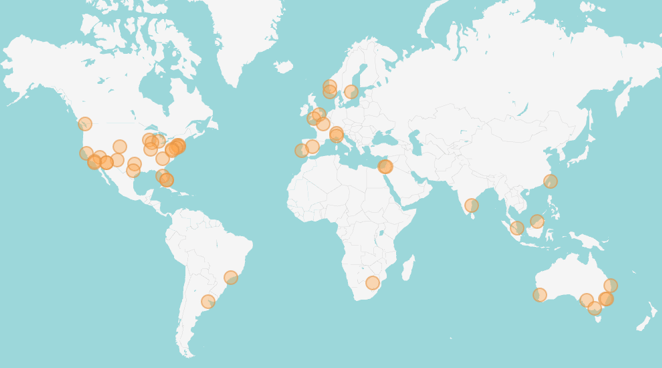
— Registrants for the 2017 SharpBrains Virtual Summit (December 5-7th) as of November 3rd, 2017

Just a quick update on how registration stands for the upcoming 2017 SharpBrains Virtual Summit: Brain Health & Enhancement in the Digital Age (December 5-7th).

We are proud to report that so far 130 experts, pioneers and practitioners are registered to participate.

95 seem to be based in the US and 35 abroad, based on IP address during registration, with the following country breakdown:

  • United States 95
  • Australia 7
  • Canada 6
  • United Kingdom 4
  • Israel 3
  • Norway 2
  • Italy 2
  • Taiwan 1
  • Singapore 1
  • India 1
  • France 1
  • Sweden 1
  • Spain 1
  • Portugal 1
  • Brazil 1
  • Argentina 1
  • South Africa 1
  • Brunei 1

__________

Please consider joining us to explore the latest brain science and tech and market trends and to help shape Brain Health & Enhancement in the Digital Age.

For context, organizations represented in past Summits include: AARP, Alegent Health Immanuel Medical Center, Allstate Insurance, Alzheimer's Association, BBC, Bon Secours New York Health System, Brain Injury Association of America, Campbell Soup Company, Greenville Hospital System, Harvard Business Review, HealthComm Inc., Human Dimension Taskforce, US Army, Institute For The Future, Intel, Johnson & Johnson, Los Angeles County Dept of Public Health, McGovern Institute of Neurotechnology, MIT, National Resource Ctr. Osher Lifelong Learning Institutes, Nutrition Science Solutions, One Laptop Per Child, OptumHealth Behavioral Solutions, Piedmont Gardens, PsychologyToday, Procter & Gamble, Robert Wood Johnson Foundation, Stanford University, Sun Microsystems, UC Berkeley, UnitedHealth Group, Winter Park Health Foundation, Workers' Compensation Regulatory Authority, UCSF.

And the backgrounds of previous participants include: Biomedical Engineers, CEOs, Digital Media professionals, Entrepreneurs, Game publishers, Healthcare technologists, Marketing Executives, Medical Students, Neurologists, Neuropsychologists, Non profit board members, Occupational Therapists, Pharmaceutical Executives, Post doctorate researchers, Professors and Researchers, Psychiatrists, Psychologists, Psychotherapists, Scientific Publishers, Social Workers, Speech Pathologists, Talent management/HR, and Wellness professionals.

Looking forward to a great conference!

__________

Learn more & Reserve your Spot HERE

(10%-off promo code for SharpBrains readers: sharp2017)


----

Read in my feedly


Thursday, November 02, 2017

How to detect the risk of dyslexia before learning to read - Scienmag: Latest Science and Health News


How to detect the risk of dyslexia before learning to read - Scienmag: Latest Science and Health News

Almost 10% of the world population suffers dyslexia. Establishing an early diagnosis would allow…

Read it on Flipboard

Read it on scienmag.com


Sunday, October 29, 2017

Is “g” overemphasized in intelligence research—commentary by Stankov

Commentary: Overemphasized “g”

Lazar Stankov

Abstract: In this paper I argue that the emphasis on “g” has become a hindrance to the study of broadly defined human cognitive abilities. Abilities captured by the first- and second-stratum factors in the Cattel-Horn-Carroll (CHC) theory have been neglected. The focus has been on a narrow range of cognitive processes that excludes those common to some sensory modalities and a host of new tasks and constructs that have become available through recent conceptual analyses and technological developments. These new areas have emerged from psychology itself (complex problem solving tasks and emotional intelligence) and from disciplines related to psychology like education and economics (economic games and cognitive biases in decision-making).

Click image to enlarge. Article link.


- Posted using BlogPress from my iPad

Meta-analysis supports cognitive ability differentiation hypotheses (SLODOR)

A B S T R A C T

The cognitive ability differentiation hypothesis, which is also termed Spearman's Law of Diminishing Returns, proposes that cognitive ability tests are less correlated and less g loaded in higher ability populations. In ad-dition, the age differentiation hypothesis proposes that the structure of cognitive ability varies across respondent age. To clarify the literature regarding these expectations, 106 articles containing 408 studies, which were published over a 100-year time span, were analyzed to evaluate the empirical basis for ability as well as age differentiation hypotheses. Meta-analyses provide support for both hypotheses and related expectations. Results demonstrate that the mean correlation and g loadings of cognitive ability tests decrease with increasing ability, yet increase with respondent age. Moreover, these effects have been nearly constant throughout the century of analyzed data. These results are important because we cannot assume an invariant cognitive structure for dif-ferent ability and age levels. Implications for practice as well as drawbacks are further discussed.

Article link.


Saturday, October 28, 2017

Concept maps effective instructional method: A meta-analysis

Click on images to enlarge.  Article link.


Abstract

A concept map is a node-link diagram in which each node represents a concept and each link identifies the relationship between the two concepts it connects. We investigated how using concept maps influences learning by synthesizing the results of 142 independent effect sizes (n = 11,814). A random-effects model meta-analysis revealed that learning with concept and knowledge maps produced a moderate, statistically significant effect (g = 0.58, p < 0.001). A moderator analysis revealed that creating concept maps (g = 0.72, p < 0.001) was associated with greater benefit relative to respective comparison conditions than studying concept maps (g = 0.43, p < 0.001). Additional moderator analyses indicated learning with concept maps was superior to other instructional comparison conditions, and was effective across science, technology, engineering, and math (STEM) and non-STEM knowledge domains. Further moderator analyses, as well as implications for theory and practice, are provided.

The following text is a direct quote from the conclusion section.

Nesbit and Adesope (2013) proposed seven cognitively oriented hypotheses that could explain the advantages of using concept maps for teaching and learning in comparison with reading text, listening to lectures, participating in discussions, writing summaries, and other instructional activities. First, using concept maps may enable dual coding of information in verbal and visual components of longer-term memory and thereby support more effective retrieval. Second, in comparison with text, they may allow cognitive load to be distributed across the visual and verbal channels of working memory, thus avoiding an overload of verbal working memory. Third, concept maps tend to consolidate multiple references to a concept at a single point in space, while in text, audio or other sequential formats the references would be spread over the sequence. Consolidating all relationships to a concept around a single point, a kind of spatial contiguity, may promote a more semantically integrated understanding of the concept. Fourth, in some types of concept maps, particularly those specified by Novak and Cañas (2008), superordinate and subordinate semantic relationships (e.g., mammal-squirrel) are signaled more strongly than they typically are in text. Fifth, the noun-verb-noun syntax used to express propositions in concept maps is much simpler and more accessible to poor readers and writers than the typical prose of expository text. Sixth, the decisions required to construct a concept map (e.g., determining which nodes should be placed close together) entail greater elaborative or germane processing than the decisions required to construct expository text. Finally, because concept maps take up more space than text, they may demand a greater degree of concision or summarization which in turn prompts greater elaborative processing.


- Posted using BlogPress from my iPad

Friday, October 27, 2017

Table of contents : Nature Neuroscience— issue on Spatial cognition


Table of contents : Nature Neuroscience

From Twitter, a Flipboard magazine by Hugo Spiers

Current issue ISSUE Previous November 2017, Volume 20No11pp1431-1653 Editorial • Obituary • Q&A • Commentary • Perspectives • Reviews • News and Views •…

Read it on Flipboard

Read it on nature.com


Thursday, October 26, 2017

DARPA's new brain device increases learning speed by 40%


DARPA's new brain device increases learning speed by 40%

Cheap and Non-Invasive New research funded by the U.S. Department of Defense's Defense Advanced Research Project Agency (DARPA) has…

Read it on Flipboard

Read it on futurism.com


******************************************************
Kevin McGrew, PhD
Educational Psychologist
Director, Institute for Applied Psychometrics
IAP
******************************************************

Musicians have better memory than nonmusicians: A meta-analysis

More research, this time a meta-analysis, documenting the cognitive benefits of musical training. I better not show this to my mother who never liked the fact that I only took one year of piano:)

Musicians have better memory than nonmusicians: A meta-analysis

Francesca Talamini, Gianmarco Altoè, Barbara Carretti, Massimo Grassi

Abstract

The three meta-analyses revealed a small effect size for long-term memory, and a medium effect size for short-term and working memory, suggesting that musicians perform better than nonmusicians in memory tasks. Moreover, the effect of the moderator suggested that, the type of stimuli influences this advantage.

Click on image to enlarge. Article link.


- Posted using BlogPress from my iPad

Topics in Cognitive Science - Volume 9, Issue 4 - Sketching and Cognition: Edited by Kenneth D. Forbus and Shaaron Ainsworth


Topics in Cognitive Science - Volume 9, Issue 4 - Sketching and Cognition: Edited by Kenneth D. Forbus and Shaaron Ainsworth

You have free access to this content Kenneth D. Forbus and Shaaron…

Read it on Flipboard

Read it on onlinelibrary.wiley.com


Wednesday, October 25, 2017

CFA of WISC-V: A five factor CHC battery

There are dueling factor study articles regarding the WISC-V in the research literature. Here is the take of Reynolds and Keith, who, IMHO, tend to do some of the best factor structure research in intelligence testing.

The five factors look like clear Gc, Gv, Gf, Gwm and Gs CHC factors.

Abstract

The purpose of this research was to test the consistency in measurement of Wechsler Intelligence Scale for Chil-dren-Fifth Edition (WISC-V; Wechsler, 2014) constructs across the 6 through 16 age span and to understand the constructs measured by the WISC-V. First-order, higher-order, and bifactor confirmatory factor models were used. Results were compared with two recent studies using higher-order and bifactor exploratory factor analysis (Canivez, Watkins, & Dombrowski, 2015; Dombrowski, Canivez, Watkins, & Beaujean, 2015) and two using con-firmatory factor analysis (Canivez, Watkins, & Dombrowski, 2016; Chen, Zhang, Raiford, Zhu, & Weiss, 2015). We found evidence of age-invariance for the constructs measured by the WISC-V. Further, both g and five distinct broad abilities (Verbal Comprehension, Visual Spatial Ability, Fluid Reasoning, Working Memory, and Processing Speed) were needed to explain the covariances among WISC-V subtests, although Fluid Reasoning was nearly equivalent to g. These findings were consistent whether a higher-order or a bifactor hierarchical model was used, but they were somewhat inconsistent with factor analyses from the prior studies. We found a correlation between Fluid Reasoning and Visual Spatial factors beyond a general factor (g) and that Arithmetic was primarily a direct indicator of g. Composite scores from the WISC-V correlated well with their corresponding underlying factors. For those concerned about the fewer numbers of subtests in the Full Scale IQ, the model implied relation between g and the FSIQ was very strong.

Click on images to enlarge.  Article link.


- Posted using BlogPress from my iPad

More support for P-FIT model of intelligence

Abstract

The authors describe the brain regions involved in the process of intelligence using as a basis, the models of the theory of frontoparietal integration (P-FIT Model). They also correlate the model described with functional areas of Brodmann, integrating them into the tertiary brain areas and address the subcortical structures involved in cognitive processes, including the memory. The studies performed by functional magnetic resonance, also unmask various regions related with intelligence, neither previously described by Brodmann nor even in conventional models of learning. The anterior insular cortex presents itself as the most recent tertiary area to be considered. Subcortical structures, when injured, mimick injuries to the cerebral cortex, demonstrating their great participation in cognition. The topographies of aphasia and the functioning mechanisms of the bearers of learning disorders, including dyslexic, dysgraphia and dyscalculic should be reconsidered. A better understanding of this topographic anatomy may clarify the mechanisms used in those individuals with cerebral lesions.

Click on images to enlarge.  Article link.


- Posted using BlogPress from my iPad

An Analysis of the CHC model for Comparing Cognitive Architectures

From the computer science literature

An Analysis of the CHC model for Comparing Cognitive Architectures


Abstract There are many cognitive architectures available nowadays, and each architecture has its own different mechanisms. Therefore, we need to identify the advantages and disadvantages of these architectures in order to improve upon them. In this paper, we propose new metrics for comparing cognitive architectures based on the Cattell-Horn-Carroll (CHC) model, which is used in psychology to explain factors of intelligence. Here, we analyze factors of intelligence in the CHC model and interpret them as elements of a new cognitive architecture. Then, the CHC model is investigated with respect to “data” and “processing” to obtain a metric for each component. We present examples using Soar and LIDA to illustrate comparing different cognitive architectures and demonstrate the effectiveness of our approach.

Click on images to enlarge


- Posted using BlogPress from my iPad

Monday, October 23, 2017

The Evolution of the Cattell-Horn-Carroll (CHC) Theory of Intelligence: Schneider & McGrew 2018 summary


The Evolution of the Cattell-Horn-Carroll (CHC) Theory of Intelligence: Schneider & McGrew 2018 summary from Kevin McGrew

This presentation includes a portion of key material to be published in a forthcoming CHC update/revision chapter--In D. P. Flanagan & Erin M .McDonough (Eds.), Contemporary intellectual assessment: Theories, tests and issues (4thed.,) New York: Guilford Press.

This is only a small amount of the chapter. Also, I have inserted some new material related to test interpretation that is not included in the to-be-published chapter. The tentative date for publication of the Flanagan book is spring 2018. The majority, but not all, of this SlideShare presentation was originally presented at the 2017 NYASP conference October 19,2017.

Sunday, October 22, 2017

Elsevier Neuroscience Books Win BMA Book Awards | SciTech Connect


Elsevier Neuroscience Books Win BMA Book Awards | SciTech Connect

We are proud to announce that several Elsevier neuroscience books were honored at the British Medical Association (BMA) annual 2017…

Read it on Flipboard

Read it on scitechconnect.elsevier.com


Tuesday, October 17, 2017

PsycTESTS


PsycTESTS

Database Type Bibliographic, plus full text and multimedia. (76% of test records contain the actual test or test items.) Record Types Descriptive summaries of the test and its development…

Read it on Flipboard

Read it on apa.org


Sunday, October 15, 2017

What Is Your Mental Lexicon?


What Is Your Mental Lexicon?

From Psychology, a Flipboard magazine by Birgit

"The fact that a speaker can mentally find the word that he/she wants in less than 200 milliseconds, and in certain cases, even before it is heard, is proof that the…

Read it on Flipboard

Read it on thoughtco.com


Monday, October 09, 2017

Predicting when a sound will occur relies on the brain's motor system - Scienmag: Latest Science and Health News


Predicting when a sound will occur relies on the brain's motor system - Scienmag: Latest Science and Health News

Whether it is dancing or just tapping one foot to the beat, we all experience how…

Read it on Flipboard

Read it on scienmag.com


Thursday, September 28, 2017

What Is White Matter in the Brain?


Whit matter matters

What Is White Matter in the Brain?

From R@Nd0m🌙🍀🦋🦄💋💩🌸🍄⭐️🍬🍺🎨🎲🎭🚗✈️🏖📱💎🔮🎀🔑🖌🏈, a Flipboard magazine by KatMoon1031

What Is White Matter? The brain's white matter is situated under the surface gray matter or cerebral cortex of the brain. White matter is composed of nerve cell…

Read it on Flipboard

Read it on thoughtco.com


Saturday, September 23, 2017

The Human Brain Is a Time Machine


The Human Brain Is a Time Machine

From New York Magazine, a Flipboard magazine by New York Magazine

"Time" is the most common noun in the English language, Dean Buonomano tells us on the first page of his new book, Your Brain Is a Time Machine: The Neuroscience and…

Read it on Flipboard

Read it on nymag.com


Wednesday, September 20, 2017

Working Memory: How You Keep Things 'In Mind' Over the Short Term


Working Memory: How You Keep Things 'In Mind' Over the Short Term

From Twitter, a Flipboard magazine by Elsevier Neuro

When you need to remember a phone number, a shopping list or a set of instructions, you rely on what psychologists and neuroscientists…

Read it on Flipboard

Read it on scitechconnect.elsevier.com


******************************************************
Kevin McGrew, PhD
Educational Psychologist
Director, Institute for Applied Psychometrics
IAP
******************************************************

Monday, September 18, 2017

Psychologists studied 5,000 genius kids for 45 years — a short film reveals its key findings---SMPY study video


Video is nice summary of history of Julian Stanley's SMPY study

Psychologists studied 5,000 genius kids for 45 years — a short film reveals its key findings

From Strategy, a Flipboard magazine by Business Insider

In 1971, a psychologist named Julian Stanley issued the SAT to a group of 12- and 13-year-olds in an…

Read it on Flipboard

Read it on businessinsider.com


Brain Training - The "Controversy"


Brain Training - The "Controversy"

From Twitter, a Flipboard magazine by Elsevier Neuro

The Meriam-Webster defines training as: "the skill, knowledge, or experience acquired by one that trains." In combination with the word "brain" it becomes a…

Read it on Flipboard

Read it on scitechconnect.elsevier.com


Tuesday, September 12, 2017

Sharing Motor control of handwriting in the developing brain: A review via BrowZine

Motor control of handwriting in the developing brain: A review
Palmis, Sarah; Danna, Jeremy; Velay, Jean-Luc; Longcamp, Marieke
Cognitive Neuropsychology: Articles in press

University of Minnesota Users:
http://login.ezproxy.lib.umn.edu/login?url=http://www.tandfonline.com/doi/full/10.1080/02643294.2017.1367654

Non-University of Minnesota Users: (Full text may not be available)
http://www.tandfonline.com/doi/full/10.1080/02643294.2017.1367654

Accessed with BrowZine, supported by University of Minnesota.

Saturday, September 09, 2017

Sharing Cerebellar Contributions to Language in Typical and Atypical Development: A Review via BrowZine

Cerebellar Contributions to Language in Typical and Atypical Development: A Review
Vias, Carolina; Dick, Anthony Steven
Developmental Neuropsychology: Articles in press

University of Minnesota Users:
http://login.ezproxy.lib.umn.edu/login?url=http://www.tandfonline.com/doi/full/10.1080/87565641.2017.1334783

Non-University of Minnesota Users: (Full text may not be available)
http://www.tandfonline.com/doi/full/10.1080/87565641.2017.1334783

Accessed with BrowZine, supported by University of Minnesota.

Thursday, September 07, 2017

Smartphone app scans pupils to detect concussions


Smartphone app scans pupils to detect concussions

Severe concussions where a person is visibly shaken or knocked unconscious are obviously cause for concern, but milder ones that go undetected can…

Read it on Flipboard

Read it on newatlas.com


Evaluating WAIS–IV structure through a different psychometric lens: structural causal model discovery as an alternative to confirmatory factor analysis via BrowZine

Evaluating WAIS–IV structure through a different psychometric lens: structural causal model discovery as an alternative to confirmatory factor analysis
van Dijk, Marjolein J. A. M.; Claassen, Tom; Suwartono, Christiany; van der Veld, William M.; van der Heijden, Paul T.; Hendriks, Marc P. H.
The Clinical Neuropsychologist: Vol. 31 Issue 6-7 – 2017: 1141 - 1154

10.1080/13854046.2017.1352029

University of Minnesota Users:
http://login.ezproxy.lib.umn.edu/login?url=http://www.tandfonline.com/doi/full/10.1080/13854046.2017.1352029

Non-University of Minnesota Users: (Full text may not be available)
http://www.tandfonline.com/doi/full/10.1080/13854046.2017.1352029

Accessed with BrowZine, supported by University of Minnesota.

Sharing The use of neuropsychological tests to assess intelligence via BrowZine

The use of neuropsychological tests to assess intelligence
Gansler, David A.; Varvaris, Mark; Schretlen, David J.
The Clinical Neuropsychologist: Vol. 31 Issue 6-7 – 2017: 1073 - 1086

10.1080/13854046.2017.1322149

University of Minnesota Users:
http://login.ezproxy.lib.umn.edu/login?url=http://www.tandfonline.com/doi/full/10.1080/13854046.2017.1322149

Non-University of Minnesota Users: (Full text may not be available)
http://www.tandfonline.com/doi/full/10.1080/13854046.2017.1322149

Accessed with BrowZine, supported by University of Minnesota.

Sharing Psychometrics and statistics: two pillars of neuropsychological practice via BrowZine

Psychometrics and statistics: two pillars of neuropsychological practice
Hilsabeck, Robin C.
The Clinical Neuropsychologist: Vol. 31 Issue 6-7 – 2017: 995 - 999

10.1080/13854046.2017.1350752

University of Minnesota Users:
http://login.ezproxy.lib.umn.edu/login?url=http://www.tandfonline.com/doi/full/10.1080/13854046.2017.1350752

Non-University of Minnesota Users: (Full text may not be available)
http://www.tandfonline.com/doi/full/10.1080/13854046.2017.1350752

Accessed with BrowZine, supported by University of Minnesota.

Review: The neuroscience of intelligence by Richard J. Haier via BrowZine

Review: The neuroscience of intelligence by Richard J. Haier
Sitartchouk, Arseni; Evans, Alan C.
Intelligence: Articles in press

University of Minnesota Users:
http://login.ezproxy.lib.umn.edu/login?url=http://www.sciencedirect.com/science/article/pii/S0160289617302283

Non-University of Minnesota Users: (Full text may not be available)
http://www.sciencedirect.com/science/article/pii/S0160289617302283

Accessed with BrowZine, supported by University of Minnesota.

Monday, September 04, 2017

Empathy Is a Clock That Ticks in the Consciousness of Another: The Science of How Our Social Interactions Shape Our Experience of Time


----
Empathy Is a Clock That Ticks in the Consciousness of Another: The Science of How Our Social Interactions Shape Our Experience of Time
// Brain Pickings

"We may be born alone, but childhood ends with a synchrony of clocks, as we lend ourselves fully to the contagion of time."


Empathy Is a Clock That Ticks in the Consciousness of Another: The Science of How Our Social Interactions Shape Our Experience of Time
When I was growing up, my father — a kind man of quick intellect and encyclopedic knowledge about esoteric subjects — had, and still has, one habit that never failed to make other people uneasy and to infuriate my mother: In conversation, the interval of time that elapses between the other person's sentiment or question and my father's response greatly exceeds the average, a lapse swelling with Kierkegaard's assertion that "the moment is not properly an atom of time but an atom of eternity."
At first, one might suspect that my father is taking an incubatory pause to produce a considered response. But, soon, it becomes apparent that these disorienting durations have no correlation with the complexity of the question — even when asked something as simple as the time of day, he would often let miniature eternities pass and lasso the other person in anxiety as the contrast between the natural response time and my father's gapes its discomfiting abyss of ambiguity.
It turns out that my father's liberal pauses are so discomposing because our experience of time has a central social component — an internal clock inheres in our capacity for intersubjectivity, intuitively governing our social interactions and the interpersonal mirroring that undergirds the human capacity for empathy.
This social-synchronistic function of time is what New Yorker staff writer Alan Burdick examines in Why Time Flies: A Mostly Scientific Investigation (public library) — a layered, rigorously researched, lyrically narrated inquiry into the most befuddling dimension of existence.

Discus chronologicus, a German depiction of time from the early 1720s, from Cartographies of Time

Burdick begins at the beginning — the ur-question of how the universe originated from nothing and what this means for time, a question at the heart of the landmark 1922 debate between Einstein and Bergson that shaped our modern understanding of time. Burdick asks:
For argument's sake, I'll accept that perhaps the universe did not exist before the Big Bang — but it exploded in something, right? What was that? What was there before the beginning? Proposing such questions, the astrophysicist Stephen Hawking has said, is like standing at the South Pole and asking which way is south: "Earlier times simply would not be defined."
Nearly a century after Borges's exquisite refutation of time in language — "Time is a river which sweeps me along, but I am the river; it is a tiger which destroys me, but I am the tiger; it is a fire which consumes me, but I am the fire." — Burdick adds with an eye to the inherent limitations of our metaphors:
Perhaps Hawking is trying to be reassuring. What he seems to mean is that human language has a limit. We (or at least the rest of us) reach this boundary whenever we ponder the cosmic. We imagine by analogy and metaphor: that strange and vast thing is like this smaller, more familiar thing. The universe is a cathedral, a clockworks, an egg. But the parallels ultimately diverge; only an egg is an egg. Such analogies appeal precisely because they are tangible elements of the universe. As terms, they are self-contained — but they cannot contain the container that holds them. So it is with time. Whenever we talk about it, we do so in terms of something lesser. We find or lose time, like a set of keys; we save and spend it, like money. Time creeps, crawls, flies, flees, flows, and stands still; it is abundant or scarce; it weighs on us with palpable heft.
[…]
Yet whatever one calls it, we share a rough idea of what's meant: a lasting sense of one's self moving in a sea of selves, dependent yet alone; a sense, or perhaps a deep and common wish, that I somehow belongs to we, and that this we belongs to something even larger and less comprehensible; and the recurring thought, so easy to brush aside in the daily effort to cross the street safely and get through one's to-do list, much less to confront the world's true crises, that my time, our time, matters precisely because it ends.

Illustration by Harvey Weiss from Time Is When by Beth Youman Gleick, 1960

From the temporal meditations of the ancient philosophers to the last hundred years of ingenious psychological experiments, Burdick goes on to explore such aspects of his subject — a nearly infinite subject, to be sure, which makes his endeavor all the more impressive — as why time dilates and contracts depending on whether we are having fun or facing danger, how fetuses are able to coordinate their circadian activity, and what we are actually measuring when we speak of keeping time. In a fascinating chapter detailing the complex ecosystem of time-making — the inventions, standardizations, and global teams of scientists responsible for measuring and synchronizing earthly time — Burdick reflects on the tremendous coordination of human efforts keeping the world's clocks ticking:
Time is a social phenomenon. This property is not incidental to time; it is its essence. Time, equally in single cells as in their human conglomerates, is the engine of interaction. A single clock works only as long as it refers, sooner or later, obviously or not, to the other clocks around it. One can rage about it, and we do. But without a clock and the dais of time, we each rage in silence, alone.


But our technologies are always prosthetic extensions of our consciousness — time, it turns out, is an innately social phenomenon not only in how it is measured, but in how it is experienced. Burdick cites the research of French neuropsychologist Sylvie Droit-Volet, who studies the warping of our temporal perception. In one experiment, she presented people with images of human faces — some neutral, some happy, some angry, some frightened — each displayed on the screen for anywhere between half a second to a second and a half. The research subjects were then asked to evaluate how long the faces appeared for.
She found that across images displayed for the same duration, happy faces were perceived to last longer than neutral ones and shorter than angry or fearful ones. Burdick explains:
The key ingredient seems to be a physiological response called arousal, which isn't what you might think. In experimental psychology, "arousal" refers to the degree to which the body is preparing itself to act in some manner. It's measured through heart rate and the skin's electrical conductivity; sometimes subjects are asked to rate their own arousal in comparison to images of faces or puppet figures. Arousal can be thought of as the physiological expression of one's emotions or, perhaps, as a precursor of physical action; in practice there may be little difference. By standard measures, anger is the most arousing emotion, for viewer and angry person alike, followed by fear, then happiness, then sadness. Arousal is thought to accelerate the pacemaker, causing more ticks than usual to accumulate in a given interval, thereby making emotionally laden images seem to last longer than others of equal duration… Physiologists and psychologists think of arousal as a primed physical state — not moving but poised to move. When we see movement, even implied movement in a static image, the thinking goes, we enact that movement internally. In a sense, arousal is a measure of your ability to put yourself in another person's shoes.

Art by Oliver Tallec from This Is a Poem That Heals Fish by Jean-Pierre Simeón

We perform this kind of emotional mimicry intuitively and incessantly over the course of our daily social interactions, in some degree donning the emotional and mental outfit of each person with whom we come into close contact. But we are also, apparently, absorbing each other's sense of time, which is encoded in our psychoemotional states. In another study, Droit-Volet found that research subjects perceived images of elderly faces to last shorter than they actually did and misjudged the duration of young faces in the opposite direction — viewers were essentially embodying the typically slower movements of the elderly. Burdick explains:
A slower clock ticks less often in a given interval of time; fewer ticks accumulate, so the interval is judged to be briefer than it actually is. Perceiving or remembering an elderly person induces the viewer to reenact, or simulate, their bodily states, namely their slow movement.
A book, Rebecca Solnit memorably wrote, is "a heart that only beats in the chest of another." In a very real sense, we are each a temporally open book and empathy a clock that only ticks in the consciousness of another. Burdick writes:
Our shared temporal distortions can be thought of as manifestations of empathy; after all, to embody another's time is to place oneself in his or her skin. We imitate each other's gestures and emotions — but we're more likely to do so, studies find, with people with whom we identify or whose company we would like to share.
[…]
Life dictates that we possess some sort of internal mechanism to keep time and monitor brief durations — yet the one we carry around can be thrown off course by the least emotional breeze. What's the point of owning such a fallible clock? … Maybe there's another way to think about it, Droit-Volet suggests. It's not that our clock doesn't run well; on the contrary, it's superb at adapting to the ever-changing social and emotional environment that we navigate every day. The time that I perceive in social settings isn't solely mine, nor is there just one cast to it, which is part of what gives our social interactions their shading. "There is thus no unique, homogeneous time but instead multiple experiences of time," Droit-Volet writes in one paper. "Our temporal distortions directly reflect the way our brain and body adapt to these multiple times." She quotes the philosopher Henri Bergson: "On doit mettre de côte le temps unique, seuls comptent les temps multiples, ceux de l'expérience." We must put aside the idea of a single time, all that counts are the multiple times that make up experience.
Our slightest social exchanges — our glances, our smiles and frowns — gain potency from our ability to synchronize them among ourselves, Droit-Volet notes. We bend time to make time with one another, and the many temporal distortions we experience are indicators of empathy; the better able I am to envisage myself in your body and your state of mind, and you in mine, the better we can each recognize a threat, an ally, a friend, or someone in need. But empathy is a fairly sophisticated trait, a mark of emotional adulthood; it takes learning and time. As children grow and develop empathy, they gain a better sense of how to navigate the social world. Put another way, it may be that a critical aspect of growing up is learning how to bend our time in step with others. We may be born alone, but childhood ends with a synchrony of clocks, as we lend ourselves fully to the contagion of time.
Perhaps Borges was right, after all, that time is the substance we are made of.
Complement the thoroughly fascinating Why Time Flies with James Gleick on how our time-travel fantasies illuminate consciousness, Patti Smith on time and transformation, T.S. Eliot's timeless ode to time, and Hannah Arendt on time, space, and our thinking ego, then revisit the story of how Rilke and Rodin gave birth to the modern meaning of empathy.

donating = loving

Bringing you (ad-free) Brain Pickings takes me hundreds of hours each month. If you find any joy and stimulation here, please consider becoming a Supporting Member with a recurring monthly donation of your choosing, between a cup of tea and a good dinner.

newsletter

Brain Pickings has a free weekly newsletter. It comes out on Sundays and offers the week's most unmissable reads. Here's what to expect. Like? Sign up.

----

Read in my feedly