> Journal Name: RESEARCH IN AUTISM SPECTRUM DISORDERS (ISSN: 1750-9467)
> Issue: Vol. 7 No. 10, 2013
> IDS#: 218SB
> Alert Expires: 10 JAN 2014
> Number of Articles in Issue: 13 (13 included in this e-mail)
> Organization ID: c4f3d919329a46768459d3e35b8102e6
> ========================================================================
> Note: Instructions on how to purchase the full text of an article and Thomson Reuters Science Contact information are at the end of the e-mail.
> ========================================================================
>
>
> *Pages: 1183-1195 (Article)
> *View Full Record: http://gateway.webofknowledge.com/gateway/Gateway.cgi?GWVersion=2&SrcAuth=Alerting&SrcApp=Alerting&DestApp=CCC&DestLinkType=FullRecord;KeyUT=CCC:000324451700001
> *Order Full Text [ ]
>
> Title:
> The double ABCX model of family adaptation in families of a child with an autism spectrum disorder attending an Australian early intervention service
>
> Authors:
> Paynter, J; Riley, E; Beamish, W; Davies, M; Milford, T
>
> Source:
> *RESEARCH IN AUTISM SPECTRUM DISORDERS*, 7 (10):1183-1195; OCT 2013
>
> Abstract:
> It is well established that families caring for a child with an autism
> spectrum disorder (ASD) experience increased psychological distress
> compared to other families (e.g., Baker-Ericzen, Brookman-Frazee, &
> Stahmer, 2005; Lee et al., 2009). However, little research has captured
> the range of variables linked to family outcomes, and research in the
> early childhood period has been largely atheoretical. The current study
> sought to investigate the applicability of the double ABCX Model of
> Family Adaptation (McCubbin & Patterson, 1983) in understanding the
> factors underlying family outcomes when children with ASD attend early
> intervention. Participants included 43 parents (18 males, 25 females) of
> children aged 2.5 to 6 years (M=49.35, SD = 9.21 months; 8 female, 35
> male) with ASD who were attending an autism-specific intervention
> service. Participants completed standardised questionnaire measures of
> constructs of the double ABCX Model. As predicted by the model, family
> systems outcomes (individual, relationship, or family) were linked to
> symptom severity (challenging behaviour), pile-up demands, internal and
> external resources, appraisals, and active-avoidant coping styles. Level
> of ASD symptoms however, were not significantly linked to outcomes.
> Limitations, directions for future research, and practical implications
> are discussed. (C) 2013 Elsevier Ltd. All rights reserved.
>
> ========================================================================
>
>
> *Pages: 1196-1203 (Article)
> *View Full Record: http://gateway.webofknowledge.com/gateway/Gateway.cgi?GWVersion=2&SrcAuth=Alerting&SrcApp=Alerting&DestApp=CCC&DestLinkType=FullRecord;KeyUT=CCC:000324451700002
> *Order Full Text [ ]
>
> Title:
> Parent and teacher ratings of adaptive and challenging behaviours in young children with autism spectrum disorders
>
> Authors:
> Lane, BR; Paynter, J; Sharman, R
>
> Source:
> *RESEARCH IN AUTISM SPECTRUM DISORDERS*, 7 (10):1196-1203; OCT 2013
>
> Abstract:
> This study examined parent and teacher rating correspondence of adaptive
> and challenging behaviours for children with autism spectrum disorders
> (ASDs) enrolled in an early intervention program. Data were collected on
> the Behaviour Assessment System for Children, second edition (BASC-2; n
> = 22), and Vineland Adaptive Behaviour Scales, second edition (VABS-II;
> n = 28). Adaptive behaviour ratings generally demonstrated high
> parent-teacher correlations, while challenging behaviour ratings
> demonstrated relatively low correlations. Only adaptive skills on the
> BASC-2 showed significant mean parent-teacher differences, with parent
> ratings suggesting greater impairment. Results suggest that clinicians
> should consider gaining both parent and teacher perspectives on a
> child's challenging behaviour, but that a single informant measure of
> adaptive behaviour, either parent or teacher, may be sufficient after
> initial assessments are completed. (C) 2013 Elsevier Ltd. All rights
> reserved.
>
> ========================================================================
>
>
> *Pages: 1204-1210 (Article)
> *View Full Record: http://gateway.webofknowledge.com/gateway/Gateway.cgi?GWVersion=2&SrcAuth=Alerting&SrcApp=Alerting&DestApp=CCC&DestLinkType=FullRecord;KeyUT=CCC:000324451700003
> *Order Full Text [ ]
>
> Title:
> Relationship between coping, rumination and posttraumatic growth in mothers of children with autism spectrum disorders
>
> Authors:
> Zhang, W; Yan, TT; Du, YS; Liu, XH
>
> Source:
> *RESEARCH IN AUTISM SPECTRUM DISORDERS*, 7 (10):1204-1210; OCT 2013
>
> Abstract:
> This study examined the relationship between coping, rumination and
> posttraumatic growth in mothers of children with autism spectrum
> disorders (ASD). One hundred and two mothers of autistic children in
> China were surveyed using Post-traumatic Growth Inventory, Trait Coping
> Style Questionnaire, and Event Related Rumination Inventory. Mothers
> reported mediate level of PIG, mostly on the growth of personal
> strength. Hierarchal regression analysis indicated that positive coping
> positively predicted PTG and growth on "relating to others"; deliberate
> rumination was positively correlated with growth on "appreciation of
> life"; and intrusive rumination negatively predicted growth on "personal
> strength", "new possibilities" and "spiritual change". No statistically
> significant relationship between negative coping and PIG was found. The
> results may be used to provide mothers with a better understanding of
> the underlying growth process and assist service providers in
> facilitating this progress. (C) 2013 Elsevier Ltd. All rights reserved.
>
> ========================================================================
>
>
> *Pages: 1211-1220 (Article)
> *View Full Record: http://gateway.webofknowledge.com/gateway/Gateway.cgi?GWVersion=2&SrcAuth=Alerting&SrcApp=Alerting&DestApp=CCC&DestLinkType=FullRecord;KeyUT=CCC:000324451700004
> *Order Full Text [ ]
>
> Title:
> Discounting of restraint usage, problem behavior management, and risk of autism severity
>
> Authors:
> Dixon, MR; Whiting, SW; Miller, JR
>
> Source:
> *RESEARCH IN AUTISM SPECTRUM DISORDERS*, 7 (10):1211-1220; OCT 2013
>
> Abstract:
> The current study examined whether a history of experience with children
> with autism affected the rate of discounting of a delayed or probable
> consequence. Experiment 1 utilized a temporal discounting task to
> compare the discounting rates of adults who have worked in an autism
> service setting and have experience with physical restraints to that of
> adults who have little or no experience with these populations. The
> results showed that adults with a history of contact with autism made
> less optimal choices and discounted restraint responsibilities more
> steeply than adults with no such history, indicating increased avoidance
> of engaging in restraints. Experiment 2 investigated how the same groups
> discounted child problem behavior, and showed that those with experience
> with autism preferred to delay working with children with severe problem
> behavior and discounted the student's problem behavior more steeply,
> again demonstrating increased avoidance. Experiment 3 examined risk
> tendencies in relation to having children with diminished functioning in
> parents who have children with autism and those who have only worked
> with them. Results showed that parents made riskier choices than
> non-parents. Overall, all 3 experiments showed that those with increased
> experience with children with autism tended toward more impulsive and
> risky choices. Published by Elsevier Ltd.
>
> ========================================================================
>
>
> *Pages: 1221-1227 (Article)
> *View Full Record: http://gateway.webofknowledge.com/gateway/Gateway.cgi?GWVersion=2&SrcAuth=Alerting&SrcApp=Alerting&DestApp=CCC&DestLinkType=FullRecord;KeyUT=CCC:000324451700005
> *Order Full Text [ ]
>
> Title:
> Emotion differentiation in autism spectrum disorder
>
> Authors:
> Erbas, Y; Ceulemans, E; Boonen, J; Noens, I; Kuppens, P
>
> Source:
> *RESEARCH IN AUTISM SPECTRUM DISORDERS*, 7 (10):1221-1227; OCT 2013
>
> Abstract:
> Autism spectrum disorder (ASD) is commonly associated with reduced
> ability to recognize emotions in others. It is less clear however,
> whether ASD is also associated with impaired knowledge of one's own
> emotions. In the current study we present a first examination of how
> much knowledge individuals with ASD have about their emotions by
> investigating their ability to differentiate between emotions. Across
> two lab tasks that measured to what extent and how people differentiate
> between their own feeling states and semantic emotion terms, results
> showed that ASD individuals differentiated less than typically
> developing individuals. Yet, both groups of participants similarly
> categorized emotions according to previously established theoretical
> categories. These findings indicate that while both give similar meaning
> to emotions, individuals with ASD make less subtle distinctions between
> emotions. With low levels of emotion differentiation being linked to
> reduced well-being, these findings may help to better understand the
> high prevalence of internalizing problems associated with ASD. (C) 2013
> Elsevier Ltd. All rights reserved.
>
> ========================================================================
>
>
> *Pages: 1228-1233 (Review)
> *View Full Record: http://gateway.webofknowledge.com/gateway/Gateway.cgi?GWVersion=2&SrcAuth=Alerting&SrcApp=Alerting&DestApp=CCC&DestLinkType=FullRecord;KeyUT=CCC:000324451700006
> *Order Full Text [ ]
>
> Title:
> Comorbidity and autism: Trends, topics and future directions
>
> Authors:
> Matson, JL; Goldin, RL
>
> Source:
> *RESEARCH IN AUTISM SPECTRUM DISORDERS*, 7 (10):1228-1233; OCT 2013
>
> Abstract:
> Autism spectrum disorders (ASD) are common, life-long disorders.
> Symptoms of ASD often co-occur with other difficulties that also tend to
> be chronic and debilitating. Common co-occurring difficulties include
> intellectual disabilities, physical conditions, comorbid
> psychopathologies and challenging behaviors. However, the idea of
> comorbidities among individuals with ASD is still a relatively new
> notion. Thus, a new field of research is developing examining
> comorbidities with ASD. This field is developing rapidly but is still
> lacking. This paper highlights the most common forms of comorbid
> disorders, and the future direction of research on comorbidities among
> individuals with ASD is discussed. (C) 2013 Elsevier Ltd. All rights
> reserved.
>
> ========================================================================
>
>
> *Pages: 1234-1243 (Review)
> *View Full Record: http://gateway.webofknowledge.com/gateway/Gateway.cgi?GWVersion=2&SrcAuth=Alerting&SrcApp=Alerting&DestApp=CCC&DestLinkType=FullRecord;KeyUT=CCC:000324451700007
> *Order Full Text [ ]
>
> Title:
> Effects of reducing stereotypy on other behaviors: A systematic review
>
> Authors:
> Lanovaz, MJ; Robertson, KM; Soerono, K; Watkins, N
>
> Source:
> *RESEARCH IN AUTISM SPECTRUM DISORDERS*, 7 (10):1234-1243; OCT 2013
>
> Abstract:
> Researchers have shown that high levels of stereotypy in individuals
> diagnosed with autism spectrum disorders were correlated with more
> significant impairments in social and adaptive functioning. Reducing
> stereotypy may thus potentially occasion an increase in appropriate
> social and adaptive behaviors. Hence, the purpose of this systematic
> review was to examine the effects of reducing stereotypy on engagement
> in other behaviors. Following a thorough literature search, we
> identified 60 studies that both reduced engagement in stereotypy and
> measured engagement in at least one other behavior. We divided the
> studies into six broad categories: noncontingent reinforcement,
> differential reinforcement, punishment-based interventions, multiple
> contingencies, physical exercise, and other antecedent-based
> interventions. The results of our analyses suggest that reducing
> stereotypy produces reallocation toward other behaviors, albeit not
> necessarily appropriate. As such, clinicians and researchers targeting
> stereotypy should plan to strengthen an appropriate alternative behavior
> while targeting all response forms of stereotypy for reduction.
> Moreover, our review suggests that measuring untargeted behaviors when
> implementing interventions designed to reduce stereotypy may be
> essential in clinical and research settings. (C) 2013 Elsevier Ltd. All
> rights reserved.
>
> ========================================================================
>
>
> *Pages: 1244-1249 (Article)
> *View Full Record: http://gateway.webofknowledge.com/gateway/Gateway.cgi?GWVersion=2&SrcAuth=Alerting&SrcApp=Alerting&DestApp=CCC&DestLinkType=FullRecord;KeyUT=CCC:000324451700008
> *Order Full Text [ ]
>
> Title:
> Fine and gross motor performance of the MABC-2 by children with autism spectrum disorder and typically developing children
>
> Authors:
> Liu, T; Breslin, CM
>
> Source:
> *RESEARCH IN AUTISM SPECTRUM DISORDERS*, 7 (10):1244-1249; OCT 2013
>
> Abstract:
> The purpose of this study was to investigate the fine and gross motor
> performance of children with autism spectrum disorder (ASD) and
> age-matched typically developing children as measured by the Movement
> Assessment Battery for Children-2 (MABC-2). Thirty children with ASD
> (ages 3-16 years, male = 25, female = 5) and 30 age-matched typically
> developing children (male = 16, female = 14) performed the MABC-2. Group
> differences on MABC-2 percentile scores were analyzed using descriptive
> data and one-way ANOVAs. Effect sizes were also calculated for practical
> significance. Descriptive data showed that all typically developing
> children were classified in the green zone on MABC-2. However, the
> majority of children (80%) with ASD were categorized in the red and
> amber zones suggesting they experienced motor difficulty or were at risk
> for motor delay. In addition, children with ASD showed significantly
> lower MABC-2 percentile scores than the typically developing children on
> manual dexterity, ball skills, and static and dynamic balance, F(1, 59)
> = 109.043, p < .001, and the effect sizes were large (>.80). In
> conclusion, children with ASD were delayed in both fine and gross motor
> skill performance on MABC-2 when compared to their age-matched typically
> developing children. (C) 2013 Elsevier Ltd. All rights reserved.
>
> ========================================================================
>
>
> *Pages: 1250-1256 (Article)
> *View Full Record: http://gateway.webofknowledge.com/gateway/Gateway.cgi?GWVersion=2&SrcAuth=Alerting&SrcApp=Alerting&DestApp=CCC&DestLinkType=FullRecord;KeyUT=CCC:000324451700009
> *Order Full Text [ ]
>
> Title:
> Can gaze-cueing be helpful for detecting sound in autism spectrum disorder?
>
> Authors:
> Zhao, S; Uono, S; Yoshimura, S; Kubota, Y; Toichi, M
>
> Source:
> *RESEARCH IN AUTISM SPECTRUM DISORDERS*, 7 (10):1250-1256; OCT 2013
>
> Abstract:
> Autism spectrum disorder (ASD) is a developmental disorder characterized
> by impaired social interaction, including joint attention, but
> psychological studies generally have reported intact gaze-triggered
> joint attention in ASD. These studies used a uni-modal paradigm (i.e.
> visual cue-target pairs) with eyes or faces as cues and letters or dots
> as targets. However, it has not been determined whether joint attention
> is impaired under cross-modal conditions in ASD, although cross-modal
> impairment has been reported. This study investigated joint attention in
> ASD under cross-modal conditions with gaze stimuli as visual cues and
> two kinds of sound (social voice or non-social tone) stimuli as targets.
> The task for the subject was to locate the target sound and click as
> soon and as accurately as possible. The ASD group was impaired in joint
> attention when a tone was used as the target, while both groups showed
> joint attention to a voice. The results suggest that cross-modal joint
> attention is impaired in the ASD group when the cue-target relationship
> is weak (i.e. social cue and non-social target) while it is unimpaired
> when there is a strong cue-target relationship (i.e. social cue and
> social target). (C) 2013 Elsevier Ltd. All rights reserved.
>
> ========================================================================
>
>
> *Pages: 1257-1264 (Review)
> *View Full Record: http://gateway.webofknowledge.com/gateway/Gateway.cgi?GWVersion=2&SrcAuth=Alerting&SrcApp=Alerting&DestApp=CCC&DestLinkType=FullRecord;KeyUT=CCC:000324451700010
> *Order Full Text [ ]
>
> Title:
> ASD intervention research in real world contexts: Refining single case designs
>
> Authors:
> Bulkeley, K; Bundy, A; Roberts, J; Einfeld, S
>
> Source:
> *RESEARCH IN AUTISM SPECTRUM DISORDERS*, 7 (10):1257-1264; OCT 2013
>
> Abstract:
> There is a pressing need for intervention research that reflects real
> world practice to support evidence-based decision making for families,
> professionals and administrators who support children with ASD. Some of
> the challenges confronting intervention research are explored, with
> solutions offered based on single case design methodology. Challenges
> with single case designs are also outlined and contemporary solutions
> that are applicable in real world contexts are illustrated in a study by
> the authors. Research utilizing these strategies may assist with
> facilitating practitioners to engage in practice-based research to
> bridge the research to practice gap in intervention with young children
> with ASD. (C) 2013 Elsevier Ltd. All rights reserved.
>
> ========================================================================
>
>
> *Pages: 1265-1272 (Article)
> *View Full Record: http://gateway.webofknowledge.com/gateway/Gateway.cgi?GWVersion=2&SrcAuth=Alerting&SrcApp=Alerting&DestApp=CCC&DestLinkType=FullRecord;KeyUT=CCC:000324451700011
> *Order Full Text [ ]
>
> Title:
> Promoting adaptive behaviors by two girls with Rett syndrome through a microswitch-based program
>
> Authors:
> Stasolla, F; Caffo, AO
>
> Source:
> *RESEARCH IN AUTISM SPECTRUM DISORDERS*, 7 (10):1265-1272; OCT 2013
>
> Abstract:
> We assessed a microswitch-based program to improve self-determination to
> access to preferred stimuli and to foster locomotor behavior by two
> girls with Rett syndrome and multiple disabilities. To enhance the first
> behavior (access to preferred stimuli) a wobble microswitch (sensitive
> touch sensor) was used while for the second behavior (step responses)
> optic sensors were applied. A second aim of the study was to monitor
> indices of happiness as consequence of the use of assistive technology.
> Finally, a third objective of the study was the reduction of hand
> washing and body rocking related stereotypies. The study was carried out
> according to a multiple probe design across behaviors for both
> participants, where the two behaviors were first learned independently,
> then combined together. Results showed an increasing of performance and
> of indices of happiness and a decreasing of stereotyped behaviors for
> both participants during intervention phases. Practical, psychological
> and clinical implications of the findings are discussed. (C) 2013
> Elsevier Ltd. All rights reserved.
>
> ========================================================================
>
>
> *Pages: 1273-1281 (Article)
> *View Full Record: http://gateway.webofknowledge.com/gateway/Gateway.cgi?GWVersion=2&SrcAuth=Alerting&SrcApp=Alerting&DestApp=CCC&DestLinkType=FullRecord;KeyUT=CCC:000324451700012
> *Order Full Text [ ]
>
> Title:
> A comparison of video prompting with and without voice-over narration on the clerical skills of adolescents with Autism
>
> Authors:
> Bennett, KD; Gutierrez, A; Honsberger, T
>
> Source:
> *RESEARCH IN AUTISM SPECTRUM DISORDERS*, 7 (10):1273-1281; OCT 2013
>
> Abstract:
> The purpose of this study was to compare the effects of video prompting
> with and without voice-over narration on the acquisition of clerical
> skills among five secondary students with Autism Spectrum Disorder. We
> used an adapted alternating treatments design consisting of baseline,
> comparison, and best treatment conditions. Results showed there were
> negligible differences between video prompting with or without
> voice-over narration. However, participants indicated differing
> preferences for one method over the other. (C) 2013 Elsevier Ltd. All
> rights reserved.
>
> ========================================================================
>
>
> *Pages: 1282-1290 (Article)
> *View Full Record: http://gateway.webofknowledge.com/gateway/Gateway.cgi?GWVersion=2&SrcAuth=Alerting&SrcApp=Alerting&DestApp=CCC&DestLinkType=FullRecord;KeyUT=CCC:000324451700013
> *Order Full Text [ ]
>
> Title:
> Efficacy of cognitive behavior therapy-based social skills intervention for school-aged boys with autism spectrum disorders
>
> Authors:
> Koning, C; Magill-Evans, J; Volden, J; Dick, B
>
> Source:
> *RESEARCH IN AUTISM SPECTRUM DISORDERS*, 7 (10):1282-1290; OCT 2013
>
> Abstract:
> School-aged children with Autism Spectrum Disorders (ASD) experience
> significant difficulty with peer interaction. Research to identify the
> most effective strategies to address this difficulty has increased but
> more evidence is needed. Cognitive behavior therapy (CBT), which focuses
> on changing how a person thinks about social situations as well as how
> he behaves, is a promising approach. This study evaluated the efficacy
> of a 15 week CBT-based social skills intervention for boys aged 10-12
> years diagnosed with an ASD. Boys with average or better IQ and
> receptive language skills were randomly assigned to either a control (n
> = 8) or intervention condition (n = 7). During intervention, boys
> attended weekly 2 h long group sessions focusing on self-monitoring
> skills, social perception and affective knowledge, conversation skills,
> social problem-solving, and friendship management skills. Comparison of
> the outcomes using repeated measures analyses indicated that boys
> receiving the intervention scored significantly better on measures of
> social perception, peer interaction, and social knowledge than boys who
> had not received intervention. There were no differences on general
> measures of socialization. The manualized intervention used in this
> study shows promise but replication with larger samples is needed. Crown
> Copyright (C) 2011 Published by Elsevier Ltd. All rights reserved.
>
>

Intelligent Insights on Intelligence Theories and Tests
Thursday, October 10, 2013
Wednesday, October 09, 2013
Available: All 2013 SharpBrains Summit slide decks [feedly]
Shared via feedly // published on SharpBrains // visit site
Available: All 2013 SharpBrains Summit slide decks
 Thanks to the generous support from our Summit Sponsors we are glad to share all slide decks from the 2013 SharpBrains Virtual Summit: How Can Neuroscience-based Innovation Enhance Behavioral and Brain Health (September 19-20th). We hope you enjoy them!
–> You can check out all slide decks HERE
–> As an example, you can check out the slide deck corresponding to the session below, simply by clicking on the image.
10:15–11:45am. How can organizations maximize the resilience and productivity of their human resources? Historically, human resource departments have not had the toolkit to develop the most human resource of all – our brains. What are some large employers and insurers doing to apply emerging science and best practices in this domain, via wellness and training initiatives, and HR benefits?
- Chair: Andrew Lee, Vice President at Aetna, YGL Class of 2011
- Hyong Un, Head of Employee Assistance Programs at Aetna
- Evian Gordon, Executive Chairman of Brain Resource
- David Nill, Chief Medical Officer at Cerner Corporation
*******************************************
Kevin McGrew, PhD
Educational Psychologist
Director, IAP
*******************************************


New Cognitive Training Study Takes on the Critics [feedly]
Shared via feedly // published on Scientific American - Mind & Brain // visit site
New Cognitive Training Study Takes on the Critics
*******************************************
Kevin McGrew, PhD
Educational Psychologist
Director, IAP
*******************************************
Tuesday, October 08, 2013
Article: ‘Brain training’ may boost working memory, but not intelligence
'Brain training' may boost working memory, but not intelligence
http://www.psypost.org/2013/10/brain-training-may-boost-working-memory-but-not-intelligence-20669
Sent via Flipboard
*******************************************
Kevin McGrew, PhD
Educational Psychologist
Director, IAP
*******************************************
Human Brain Project: Let’s understand basic mechanisms behind cognition and behaviour [feedly]
Shared via feedly // published on SharpBrains // visit site
Human Brain Project: Let's understand basic mechanisms behind cognition and behaviour
 Billion pound brain project under way (BBC News):
"Scientists from 135 institutions, mostly in Europe, are participating in The Human Brain Project (HBP). Co-funded by the EU, it aims to develop the technology needed to create a computer simulation of the brain. It will also build a database of brain research from the tens of thousands of neuroscience papers published annually.
"The Human Brain Project is an attempt to build completely new computer science technology that will enable us to collect all the information we have built up about the brain over the years," said Prof Henry Markram, Director of the HBP at EPFL (Ecole Polytechnique Fédérale de Lausanne), in Switzerland.
"We should begin to understand what makes the human brain unique, the basic mechanisms behind cognition and behaviour, how to objectively diagnose brain diseases, and to build new technologies inspired by how the brain computes."
To Learn More:
- Watch Presentation by Sean Hill at 2013 SharpBrains Virtual Summit (requires log-in)
*******************************************
Kevin McGrew, PhD
Educational Psychologist
Director, IAP
*******************************************
The Neuroplasticity Revolution With Dr. Norman Doidge [feedly]
Shared via feedly // published on The Science of Learning Blog // visit site
The Neuroplasticity Revolution With Dr. Norman Doidge
Norman Doidge, M.D., discusses why the concept of brain plasticity—the brain's ability to grow and change in structure and function in response to experience—is "the most important change in our understanding of the brain in 400 years."
*******************************************
Kevin McGrew, PhD
Educational Psychologist
Director, IAP
*******************************************
Sunday, October 06, 2013
Article: Stroop Test - Best Brain Teaser Game
Stroop Test - Best Brain Teaser Game
http://sharpbrains.com/blog/2006/10/05/brain-exercise-the-stroop-test/
Sent via Flipboard
*******************************************
Kevin McGrew, PhD
Educational Psychologist
Director, IAP
*******************************************
Preschool Programs Informed by Basic Research in Neuroplasticity... in 1966 [feedly]
Shared via feedly // published on The Neurocritic // visit site
Preschool Programs Informed by Basic Research in Neuroplasticity... in 1966

David P. Weikart
"Krech (1960), Rosenzweig (1964), Bennett (1964), and others have successfully identified and measured physiological changes in the brain that relate directly to early experiences in carefully controlled studies with laboratory rats."
-Weikart (1966), Preschool Programs: Preliminary Findings
In his review of various approaches to early childhood education in the 1960s (e.g., Operation Head Start, Perry Preschool Project, etc.), psychologist David P. Weikart cited literature on neuroplasticity in adult rats (Weikart, 1966). Although written in the context of an early life "critical period" for learning, and contrasting the effects of exposure to deprived vs. enriched conditions on educational attainment in young children, he was aware of animal studies showing that neuroplastic changes continued into adulthood.
He was also ahead of his time in his beliefs that the causes of racial differences in IQ were not inherent, but a result of differences in socioeconomic status and access to resources (Weikart, 1966):
Pasamanick & Knoblock (1961) have documented the impact of deprivation most vividly in their study of infant development. Employing samples of [Black] and White infants selected for equal birth weights and absence of defects or premature birth, and using the Gesell Development Scale, they found no significant difference between the two groups at 40 weeks of age; the White babies obtained a developmental quotient of 105.4 and the [Black] babies as DQ of 104.5. At age 3, the first 300 of the original 1,000 children studied were retested and a highly significant difference was found. The developmental quotient of the White children rose to 110.9, while the DQ of the [Black] children fell to 97.4.
In a 2003 biographical article, he was quoted as saying:
"Over the previous 10 years of standardized achievement testing (1948-1957), no class in the predominantly African American school ever exceeded the 10th percentile on national norms for any tested subject," he writes in his memoir. "Yet in the elementary school across town, which primarily served the children of white, middle-class university professionals, no class ever scored less than the 90th percentile."
To Weikart's mind, there was something wrong with the schools if one group of children was failing, while another group was doing fine. But the principals didn't see it that way. They said there was nothing wrong with the schools. It was the children. They weren't intelligent enough, they weren't capable of doing well.
. . .
"I was working in a context where most people felt that IQ was God-given, and unfortunately, low-IQ minority children were just born that way," writes Weikart in his memoir.
But some people were beginning to question this idea, including Weikart. He recalls learning about studies of cage-reared versus playground-reared rats in zoology courses he took during graduate school.
"These studies strongly suggested that problems caused by limited environments could be ameliorated by stimulus-rich opportunities," he wrote. "For me, the idea of enriched opportunities for poor children from limited backgrounds seemed justified by the findings from these ... studies."
This brief example from the education literature provides another reason that those peddling "neuroplasticity" as a fairly recent finding need to take a few history lessons (e.g., Now we know the brain is "neuroplastic"... in the 19th century).
Reference
Weikart DP (1966). Preschool Programs: Preliminary Findings. J Spec Educ. 1: 163-181.
*******************************************
Kevin McGrew, PhD
Educational Psychologist
Director, IAP
*******************************************
Friday, October 04, 2013
FDA guidelines for mobile health apps relevant to cognitive/ mental health [feedly]
Shared via feedly // published on SharpBrains // visit site
FDA guidelines for mobile health apps relevant to cognitive/ mental health
 21 types of health apps the FDA could regulate but won't (MobiHealthNews):
"The FDA final guidance finally published last week and it included very few surprises. One new section in the final guidelines — that was not included in the draft guidance — is a list of the types of apps that the FDA says will fall under its enforcement discretion. That means that these apps may meet the definition of a medical device, but the "FDA intends to exercise enforcement discretion for these mobile apps because they pose lower risk to the public…In the pages to follow is a roundup of the FDA's list of apps that it does not intend to regulate even though they meed the definition of a medical device."
 #1 Some Psychiatric Apps
"According to the FDA's guidance, some psychiatric apps might meet the definition of a mobile device, but it will choose not to regulate some of these apps: "Mobile apps that help patients with diagnosed psychiatric conditions (e.g., post-traumatic stress disorder (PTSD), depression, anxiety, obsessive compulsive disorder) maintain their behavioral coping skills by providing a 'Skill of the Day' behavioral technique or audio messages that the user can access when experiencing increased anxiety"
#8 Preventative screening apps from established medical sources
"Mobile apps that use patient characteristics such as age, sex, and behavioral risk factors to provide patient-specific screening, counseling and preventive recommendations from well-known and established authorities;"
#15 Tethered PHR apps
"Mobile apps that provide patients a portal into their own health information, such as access to information captured during a previous clinical visit or historical trending and comparison of vital signs (e.g., body temperature, heart rate, blood pressure, or respiratory rate);"
#21 Many fitness and wellness apps
"Mobile apps that are intended for individuals to log, record, track, evaluate, or make decisions or behavioral suggestions related to developing or maintaining general fitness, health or wellness,…"
–> Full article: 21 types of health apps the FDA could regulate but won't (MobiHealthNews)
–> Read the FDA's final guidance for mobile medical apps (PDF)
*******************************************
Kevin McGrew, PhD
Educational Psychologist
Director, IAP
*******************************************
PEBS Neuroethics Roundup (JHU) [feedly]
Shared via feedly // published on Neuroethics & Law Blog // visit site
PEBS Neuroethics Roundup (JHU)
Last Edition's Most Popular Article(s): Neuroscientists in court, Nature Reviews Neuroscience In The Popular Press The Art and Science of Recognizing Yourself, Wellcome Trust Studying How The Blind Perceive Race, National Public Radio Code Switch Fewer Drugs Being Prescribed to...
*******************************************
Kevin McGrew, PhD
Educational Psychologist
Director, IAP
*******************************************
Article: Scientists Used Facebook For the Largest Ever Study of Language and Personality
Scientists Used Facebook For the Largest Ever Study of Language and Personality
http://www.slate.com/blogs/business_insider/2013/10/02/study_most_popular_facebook_keywords_by_age_gender_and_personality.html
Sent via Flipboard
*******************************************
Kevin McGrew, PhD
Educational Psychologist
Director, IAP
*******************************************
Thursday, October 03, 2013
Article Alert: Convergent and discriminant validity of the WISC-IV and the Intelligence and Development Scales (IDS) in children with a migration background [feedly]
Shared via feedly // published on DIAGNOSTICA - Web of Knowledge // visit site
Convergent and discriminant validity of the WISC-IV and the Intelligence and Development Scales (IDS) in children with a migration background
Title: Convergent and discriminant validity of the WISC-IV and the Intelligence and Development Scales (IDS) in children with a migration background
Author(s): Hagmann-von Arx, Priska; Petermann, Franz; Grob, Alexander
Source: DIAGNOSTICA, 59 (4): 170-182 2013
IDS#: 219CR. ISSN: 0012-1924
Author(s): Hagmann-von Arx, Priska; Petermann, Franz; Grob, Alexander
Source: DIAGNOSTICA, 59 (4): 170-182 2013
IDS#: 219CR. ISSN: 0012-1924
*******************************************
Kevin McGrew, PhD
Educational Psychologist
Director, IAP
*******************************************
Wednesday, October 02, 2013
Article: Training Attention and Emotional Self-Regulation
Training Attention and Emotional Self-Regulation
http://sharpbrains.com/blog/2008/10/18/training-attention-and-emotional-self-regulation-interview-with-michael-posner/
Sent via Flipboard
*******************************************
Kevin McGrew, PhD
Educational Psychologist
Director, IAP
*******************************************
Article: How Intense Study May Harm Our Workouts
How Intense Study May Harm Our Workouts
http://well.blogs.nytimes.com/2013/10/02/how-intense-study-may-harm-our-workouts/
Sent via Flipboard

*******************************************
Kevin McGrew, PhD
Educational Psychologist
Director, IAP
*******************************************
Tuesday, October 01, 2013

Top 30 Highlights from 2013 Summit/ Recordings Now Available

 Which of those highlights seem more surprising or relevant to you?
Important Note: All 15 SharpBrains Summit sessions were recorded, and 15+ hours of recordings are available now.
--> Learn Here How to Access the Recordings, so you can understand those 30 highlights in more depth, and discover many more. Registered Summit participants can use same login and password used during Summit. Others can purchase access to the full recordings (USD $175).
Sincerely,
--The Steering Group of the 2013 SharpBrains Virtual SummitAlvaro Fernandez, CEO & Co-Founder, SharpBrainsAndrew Lee, Vice President at AetnaCorinna Lathan, Founder and CEO of AnthroTronixHilal Lashuel, Associate Professor at the Swiss Federal Institute of Technology-Lausanne (EPFL)Jayne Plunkett, Head of Casualty Reinsurance at Swiss ReMatthew Bishop, New York Bureau Chief of The EconomistOlivier Oullier, Professor of Behavioral and Brain Sciences at Aix-Marseille UniversityTan Le, CEO of Emotiv Lifesciences




Article: Prefrontal neurons transmit signals to parietal neurons | Miller Laboratory
Prefrontal neurons transmit signals to parietal neurons | Miller Laboratory
https://www.earlkmiller.org/2013/10/01/prefrontal-neurons-transmit-signals-to-parietal-neurons-that-reflect-executive-control-of-cognition-2/
Sent via Flipboard
*******************************************
Kevin McGrew, PhD
Educational Psychologist
Director, IAP
*******************************************
Monday, September 30, 2013
Article: Developmental trajectories of grey and white matter in dyscalculia
Developmental trajectories of grey and white matter in dyscalculia
http://www.sciencedirect.com/science/article/pii/S2211949313000215
Sent via Flipboard
*******************************************
Kevin McGrew, PhD
Educational Psychologist
Director, IAP
*******************************************
IQ score differences across time may relfect real changes in the brain
Lay people and many professionals often express consternation when an individuals measured IQ scores are different at different times in their life. This concern is particularly heightened in high stakes settings where differences in IQ scores can result in changes in eligibility for programs (e.g., social security disability income) or life-or-death decisions (e.g., Atkins MR/ID death penalty cases).
Factors contributing to significant IQ score differences are many (McGrew, in press a) and may include: (a) procedural or test administration errors (e.g., scoring errors; improper nonstandardized test administration; malingering; age vs. grade norms; practice effects), (b) test norm or standardization differences (e.g., norm obsolescence or the Flynn Effect; McGrew, in press b), (c) content differences across different test batteries or between different editions of the same battery, or (d) variations in a person’s performance on different occasions.
An article "in press" (Neuroimage) by Burgaleta et al. (click here to view copy with annotated comments) provides the important reminder that differences in IQ scores for an individual (across time) may be due to real changes in general intelligence related to real changes in brain development. These researchers found that changes in cortical brain thickness were related to changes in IQ scores. They concluded that "the dynamic nature of intelligence-brain relations...support the idea that changes in IQ across development can reflect meaningful general cognitive ability changes and have a neuroanatomical substrate" (viz., changes in cortical thickness in key brain regions). The hypothesis was offered that changes in the the cortical areas of frontoparietal brain network (see P-FIT model of intelligence) may be related to changes in working memory, which in turn has been strongly associated with general reasoning (fluid intelligence; Gf).
The cortical thickness-IQ change relation was deemed consistent with "cellular events that are sensitive to postnatal development and experience." Possible causal factors suggested included insufficient education or social stimulation during sensitive developmental periods, as well as lifestyle, diet and nutrition, and genetic factors.


Factors contributing to significant IQ score differences are many (McGrew, in press a) and may include: (a) procedural or test administration errors (e.g., scoring errors; improper nonstandardized test administration; malingering; age vs. grade norms; practice effects), (b) test norm or standardization differences (e.g., norm obsolescence or the Flynn Effect; McGrew, in press b), (c) content differences across different test batteries or between different editions of the same battery, or (d) variations in a person’s performance on different occasions.
An article "in press" (Neuroimage) by Burgaleta et al. (click here to view copy with annotated comments) provides the important reminder that differences in IQ scores for an individual (across time) may be due to real changes in general intelligence related to real changes in brain development. These researchers found that changes in cortical brain thickness were related to changes in IQ scores. They concluded that "the dynamic nature of intelligence-brain relations...support the idea that changes in IQ across development can reflect meaningful general cognitive ability changes and have a neuroanatomical substrate" (viz., changes in cortical thickness in key brain regions). The hypothesis was offered that changes in the the cortical areas of frontoparietal brain network (see P-FIT model of intelligence) may be related to changes in working memory, which in turn has been strongly associated with general reasoning (fluid intelligence; Gf).
The cortical thickness-IQ change relation was deemed consistent with "cellular events that are sensitive to postnatal development and experience." Possible causal factors suggested included insufficient education or social stimulation during sensitive developmental periods, as well as lifestyle, diet and nutrition, and genetic factors.
- McGrew, K. S. (in press a). Intellectual functioning: Conceptual issues. In E. Polloway (Ed.), Determining intellectual disability in the courts: Focus on capital cases. AAIDD, Washington, DC.
- McGrew, K. S. (in press b). Norm obsolescence: The Flynn Effect. In E. Polloway (Ed.), Determining intellectual disability in the courts: Focus on capital cases. AAIDD, Washington, DC.
[Click on images to enlarge]


Sunday, September 29, 2013
Decreasing default brain network activity (mind wandering) helps with episodic memory
A other article demonstrating the importance of controlled attention (focus) on cognitive performance.
Click on image to enlarge

- Posted using BlogPress from my iPad
Click on image to enlarge

- Posted using BlogPress from my iPad
Similarity of measured adaptive behavior across cultures
Click on image to enlarge

- Posted using BlogPress from my iPad

- Posted using BlogPress from my iPad
IQs Corner Recent Literature of Interest: 9-29-13


This weeks installment of personally culled "research articles of interest" available here.
- Posted using BlogPress from my iPad
Friday, September 27, 2013
Article: White matter microstructure correlates of mathematical giftedness and intelligence quotient - Navas-Sánchez - 2013 - Human Brain Mapping
White matter microstructure correlates of mathematical giftedness and intelligence quotient - Navas-Sánchez - 2013 - Human Brain Mapping
http://onlinelibrary.wiley.com/doi/10.1002/hbm.22355/abstract;jsessionid=2AA49E6D0629153CA9758B1386262381.d03t01?systemMessage=Wiley+Online+Library+will+be+unavailable+for+approximately+4+hours+between+09%3A00+EDT+and+14%3A00+EDT+on+Saturday%2C+28+September+2013+as+we+make+upgrades+to+improve+our+services+to+you.+There+will+also+be+some+delays+to+online+publishing+between+25+to+28+September+2013.+We+apologize+for+the+inconvenience+and+appreciate+your+patience.+Thank+you+for+using+Wiley+Online+Library%21
Sent via Flipboard
New review regarding human brain clock research and theory [feedly]
Shared via feedly // published on The Brain Clock Blog // visit site
New review regarding human brain clock research and theory
Hot off the press, in the prestigious Annual Review of Psychology has an excellent review (Allman et al., 2013) of contemporary research and theory regarding many aspects of the human brain clock (brain clock timing; temporal g). I will be adding this to the Key Research Article blogroll section of this blog.
A few images from the article to give an advance peek. [Click on images to enlarge]


A few images from the article to give an advance peek. [Click on images to enlarge]


Timing intervention improves functioning of soldiers with TBI & new treatment resource for soldiers with TBI
Important and exciting new study just published in the journal Neuropsychology this week. [Click on image to enlarge]. Access available under "IM Research" blogroll at this blog (Brain Clock blog). Additional information and exciting new treatment resource for soldiers with TBI can be found at the @Attention Fund.


Interactive Metronome Sharp Brains 2013 Virtual Summit - manuscripts mentioned in today's IM expo presentation
Subject: [The Brain Clock Blog] Interactive Metronome Sharp Brains 2013 Virtual Summit - manuscripts mentioned in today's IM expo presentation
Today I am co-presenting on the science of Interactive Metronome at the 2013 Sharp Brains Virtual Summit. I will present a 10 minute overview of the science behind IM (not an easy task given the time constraints). For those who participate in the summit and want access to almost all the articles I mentioned, click here to download a zip file that includes the manuscripts.
--
Posted By Blogger to The Brain Clock Blog at 9/27/2013 07:49:00 AM
Article: Neural Correlates of Musical Creativity: Differences between High and Low Creative Subjects.
Neural Correlates of Musical Creativity: Differences between High and Low Creative Subjects.
http://www.ncbi.nlm.nih.gov/pubmed/24069414?dopt=Abstract
Sent via Flipboard
Thursday, September 26, 2013

Article: Mind Wandering: A New Personal Intelligence Perspective
Mind Wandering: A New Personal Intelligence Perspective
http://blogs.scientificamerican.com/beautiful-minds/2013/09/25/mind-wandering-a-new-personal-intelligence-perspective/
Sent via Flipboard
Wisdom from a MacArthur Genius: Psychologist Angela Duckworth on Why Grit, Not IQ, Predicts Success [feedly]
This message is very consistent with the Beyond IQ and Model of Academic Competence and Motivation (MACM) projects that have been blogged about frequently at IQs Corner (see category label sidebar index if this blog) and with special reports at The Mind Hub web portal (www.themindhub.com)
Shared via feedly // published on Brain Pickings // visit site
Wisdom from a MacArthur Genius: Psychologist Angela Duckworth on Why Grit, Not IQ, Predicts Success
"Character is at least as important as intellect."
 Creative history brims with embodied examples of why the secret of genius is doggedness rather than "god"-given talent, from the case of young Mozart's upbringing to E. B. White's wisdom on writing to Chuck Close's assertion about art to Tchaikovsky's conviction about composition to Neil Gaiman's advice to aspiring writers. But it takes a brilliant scholar of the psychology of achievement to empirically prove these creative intuitions: Math-teacher-turned-psychologist Angela Duckworth, who began her graduate studies under positive psychology godfather Martin Seligman at my alma mater, the University of Pennsylvania, has done more than anyone for advancing our understanding of how self-control and grit — the relentless work ethic of sustaining your commitments toward a long-term goal — impact success. So how heartening to hear that Duckworth is the recipient of a 2013 MacArthur "genius" grant for her extraordinary endeavors, the implications of which span from education to employment to human happiness.
In this short video from the MacArthur Foundation, Duckworth traces her journey and explores the essence of her work:
We need more than the intuitions of educators to work on this problem. For sure we need the educators, but in partnership I think we need scientists to study this from different vantage points, and that actually inspired me to move out of the classroom as a teacher and into the lab as a research psychologist.
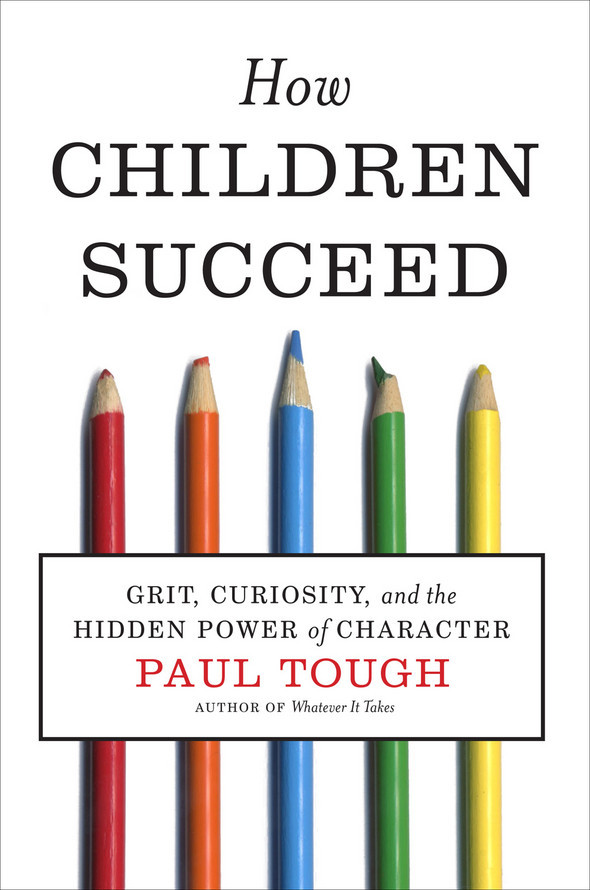
In the exceedingly excellent How Children Succeed: Grit, Curiosity, and the Hidden Power of Character (public library) — a necessary addition to these fantastic reads on education — Paul Tough writes of Duckworth's work:
Duckworth had come to Penn in 2002, at the age of thirty-two, later in life than a typical graduate student. The daughter of Chinese immigrants, she had been a classic multitasking overachiever in her teens and twenties. After completing her undergraduate degree at Harvard (and starting a summer school for low-income kids in Cambridge in her spare time), she had bounced from one station of the mid-nineties meritocracy to the next: intern in the White House speechwriting office, Marshall scholar at Oxford (where she studied neuroscience), management consultant for McKinsey and Company, charter-school adviser.
Duckworth spent a number of years toying with the idea of starting her own charter school, but eventually concluded that the model didn't hold much promise for changing the circumstances of children from disadvantaged backgrounds, those whom the education system was failing most tragically. Instead, she decided to pursue a PhD program at Penn. In her application essay, she shared how profoundly the experience of working in schools had changed her view of school reform and wrote:
The problem, I think, is not only the schools but also the students themselves. Here's why: learning is hard. True, learning is fun, exhilarating and gratifying — but it is also often daunting, exhausting and sometimes discouraging. . . . To help chronically low-performing but intelligent students, educators and parents must first recognize that character is at least as important as intellect.
Duckworth began her graduate work by studying self-discipline. But when she completed her first-year thesis, based on a group of 164 eighth-graders from a Philadelphia middle school, she arrived at a startling discovery that would shape the course of her career: She found that the students' self-discipline scores were far better predictors of their academic performance than their IQ scores. So she became intensely interested in what strategies and tricks we might develop to maximize our self-control, and whether those strategies can be taught. But self-control, it turned out, was only a good predictor when it came to immediate, concrete goals — like, say, resisting a cookie. Tough writes:
Duckworth finds it useful to divide the mechanics of achievement into two separate dimensions: motivation and volition. Each one, she says, is necessary to achieve long-term goals, but neither is sufficient alone. Most of us are familiar with the experience of possessing motivation but lacking volition: You can be extremely motivated to lose weight, for example, but unless you have the volition — the willpower, the self-control — to put down the cherry Danish and pick up the free weights, you're not going to succeed. If a child is highly motivated, the self-control techniques and exercises Duckworth tried to teach [the students in her study] might be very helpful. But what if students just aren't motivated to achieve the goals their teachers or parents want them to achieve? Then, Duckworth acknowledges, all the self-control tricks in the world aren't going to help.
This is where grit comes in — the X-factor that helps us attain more long-term, abstract goals. To address this, Duckworth and her colleague Chris Peterson developed the Grit Scale — a deceptively simple test, on which you evaluate how much twelve statements apply to you, from "I am a hard worker" to "New ideas and projects sometimes distract me from previous ones." The results are profoundly predictive of success at such wide-ranging domains of achievement as the National Spelling Bee and the West Point military academy. Tough describes the surprising power of this seemingly mundane questionnaire:
For each statement, respondents score themselves on a five-point scale, ranging from 5, "very much like me," to 1, "not like me at all." The test takes about three minutes to complete, and it relies entirely on self-report — and yet when Duckworth and Peterson took it out into the field, they found it was remarkably predictive of success. Grit, Duckworth discovered , is only faintly related to IQ — there are smart gritty people and dumb gritty people — but at Penn, high grit scores allowed students who had entered college with relatively low college-board scores to nonetheless achieve high GPAs. At the National Spelling Bee, Duckworth found that children with high grit scores were more likely to survive to the later rounds. Most remarkable, Duckworth and Peterson gave their grit test to more than twelve hundred freshman cadets as they entered the military academy at West Point and embarked on the grueling summer training course known as Beast Barracks. The military has developed its own complex evaluation, called the whole candidate score, to judge incoming cadets and predict which of them will survive the demands of West Point; it includes academic grades, a gauge of physical fitness, and a leadership potential score. But the more accurate predictor of which cadets persisted in Beast Barracks and which ones dropped out turned out to be Duckworth's simple little twelve-item grit questionnaire.
You can take the Grit Scale here (registration is free). For more on the impact of Duckworth's work, do treat yourself to the altogether indispensable How Children Succeed: Grit, Curiosity, and the Hidden Power of Character.
Donating = Loving
Bringing you (ad-free) Brain Pickings takes hundreds of hours each month. If you find any joy and stimulation here, please consider becoming a Supporting Member with a recurring monthly donation of your choosing, between a cup of tea and a good dinner:
Fwd: Web of Knowledge Alert - EDUCATIONAL PSYCHOLOGY
*******************************************
Kevin McGrew, PhD
Educational Psychologist
Director, IAP
www.themindhub.com
*******************************************
Web of Knowledge Table of Contents Alert
>
> Journal Name: EDUCATIONAL PSYCHOLOGY (ISSN: 0144-3410)
> Issue: Vol. 33 No. 5, 2013
> IDS#: 212RA
> Alert Expires: 10 JAN 2014
> Number of Articles in Issue: 7 (7 included in this e-mail)
> Organization ID: c4f3d919329a46768459d3e35b8102e6
> ========================================================================
> Note: Instructions on how to purchase the full text of an article and Thomson Reuters Science Contact information are at the end of the e-mail.
> ========================================================================
>
>
> *Pages: 521-539 (Article)
> *View Full Record: http://gateway.webofknowledge.com/gateway/Gateway.cgi?GWVersion=2&SrcAuth=Alerting&SrcApp=Alerting&DestApp=CCC&DestLinkType=FullRecord;KeyUT=CCC:000323999300001
> *Order Full Text [ ]
>
> Title:
> Conceptions of creativity among Hong Kong university students
>
> Authors:
> Zhang, LF
>
> Source:
> *EDUCATIONAL PSYCHOLOGY*, 33 (5):521-539; SI AUG 1 2013
>
> Abstract:
> This research had two objectives. The first was to determine the
> reliability and validity of the multifaceted assessment of creativity
> (MAC) for evaluating Hong Kong university students' conceptions of
> creativity. The second was to establish if the theory-practice and
> gender gaps discovered among mainland Chinese university students would
> be replicated. The theoretical foundation for the MAC is the investment
> theory of creativity. Participants were 156 university students in Hong
> Kong. Results showed that Hong Kong university students' conceptions of
> creativity fit well with the six resources for creativity measured by
> the MAC: intelligence, knowledge, intellectual style, personality,
> motivation and environment. The present data not only confirmed the
> theory-practice and gender discrepancies previously found among mainland
> Chinese university students, but also revealed an additional gap - a
> theory-practice gap found only in participants' evaluation of female
> school students. Implications are discussed for research and for the
> psychology of teaching and learning.
>
> ========================================================================
>
>
> *Pages: 540-560 (Article)
> *View Full Record: http://gateway.webofknowledge.com/gateway/Gateway.cgi?GWVersion=2&SrcAuth=Alerting&SrcApp=Alerting&DestApp=CCC&DestLinkType=FullRecord;KeyUT=CCC:000323999300002
> *Order Full Text [ ]
>
> Title:
> The effects of classroom goal structures on the creativity of junior high school students
>
> Authors:
> Peng, SL; Cherng, BL; Chen, HC
>
> Source:
> *EDUCATIONAL PSYCHOLOGY*, 33 (5):540-560; SI AUG 1 2013
>
> Abstract:
> Previous studies have indicated that situational factors can influence
> students' creativity. However, no studies have specifically examined the
> relationship between classroom goal structures and student creativity
> during real classroom activities. For this study, we recruited 232
> seventh-grade students from Taipei City and randomly divided them into
> the following three classroom goal structure groups at the start of the
> semester: an enhanced group with a mastery classroom goal structure, an
> enhanced group with a multiple (mastery and performance) classroom goal
> structure and a control group. Before receiving the experimental
> manipulation, the students' level of creativity showed no significant
> differences. After six weeks, the students in the enhanced groups with
> mastery classroom goal structure and multiple classroom goal structure
> exhibited superior fluency, flexibility and creativity compared to those
> in the control group. However, the creativity of the students in the
> enhanced groups with mastery classroom goal structure and multiple
> classroom goal structure showed no significant difference. This
> indicates that the mastery classroom goal structure itself can
> sufficiently enhance students' creativity. The results of this study
> support the existence of a causal relationship between classroom goal
> structures and student creativity. When teachers develop an appropriate
> learning climate in classrooms with an emphasis on mastery goals,
> students' creativity and creative expression can be stimulated. We also
> discuss the theoretical and extendable implications of this study based
> on the results.
>
> ========================================================================
>
>
> *Pages: 561-581 (Article)
> *View Full Record: http://gateway.webofknowledge.com/gateway/Gateway.cgi?GWVersion=2&SrcAuth=Alerting&SrcApp=Alerting&DestApp=CCC&DestLinkType=FullRecord;KeyUT=CCC:000323999300003
> *Order Full Text [ ]
>
> Title:
> Imagination and creativity: wellsprings and streams of education - the Taiwan experience
>
> Authors:
> Wu, JJ; Albanese, DL
>
> Source:
> *EDUCATIONAL PSYCHOLOGY*, 33 (5):561-581; SI AUG 1 2013
>
> Abstract:
> Creativity and imagination in education are increasingly emphasised
> around the world. However, a lack of these qualities in Chinese
> societies has been discussed in the academia and popular media, and
> attributed to various factors, standardised testing chief among them. In
> Taiwan, a team of scholars working with the Ministry of Education has,
> since the turn of the century, made special efforts to do research and
> promote creativity and imagination in education. This paper traces the
> development of policies and action plans and the implementation of
> creativity education and imagination in education programmes in Taiwan.
> Both programmes start from elementary school and go through higher
> education, and also include lifelong learners and administrators; they
> are, thus, inclusive of all levels within Taiwan's educational system.
> This paper cites examples of the action plans and their effects.
> Finally, implications for educational policy and teaching and learning
> are drawn from the Taiwan experience.
>
> ========================================================================
>
>
> *Pages: 582-595 (Article)
> *View Full Record: http://gateway.webofknowledge.com/gateway/Gateway.cgi?GWVersion=2&SrcAuth=Alerting&SrcApp=Alerting&DestApp=CCC&DestLinkType=FullRecord;KeyUT=CCC:000323999300004
> *Order Full Text [ ]
>
> Title:
> Uniqueness, integration or separation? exploring the nature of creativity through creative writing by elementary school students in Taiwan
>
> Authors:
> Chu, TL; Lin, WW
>
> Source:
> *EDUCATIONAL PSYCHOLOGY*, 33 (5):582-595; SI AUG 1 2013
>
> Abstract:
> The primary goal of our study was to investigate the importance of
> originality in divergent thinking (DT) tests and to determine whether
> originality is the best reflection of creativity. To accomplish this, we
> cross-validated the DT test and creative writing task rating by
> consensual assessment technique (CAT). Thirty-seven elementary school
> pupils (18 males, 19 females) were asked to complete the imagination
> test (a type of DT test) and a creative writing task (If I were a
> principal') with CAT rating. The composite creativity score, sub-scores
> and originality-ratio score derived from the DT and CAT-creativity
> scores were obtained. The data were analysed using Pearson
> product-moment correlations and the difference analysis of these
> correlation coefficients. The results revealed a significantly higher
> correlation between DT-originality and CAT-creativity than between
> DT-composite creativity and CAT-creativity, and the originality-ratio
> score was more highly correlated with CAT than with the other scores. We
> confirmed the importance of originality in DT tests, and we here propose
> primary (originality) and supportive (fluency and flexibility) abilities
> as alternative ways to explain creative potential.
>
> ========================================================================
>
>
> *Pages: 596-615 (Article)
> *View Full Record: http://gateway.webofknowledge.com/gateway/Gateway.cgi?GWVersion=2&SrcAuth=Alerting&SrcApp=Alerting&DestApp=CCC&DestLinkType=FullRecord;KeyUT=CCC:000323999300005
> *Order Full Text [ ]
>
> Title:
> Designing a "creativity and assessment scale' for arts education
>
> Authors:
> Leong, S; Qiu, XL
>
> Source:
> *EDUCATIONAL PSYCHOLOGY*, 33 (5):596-615; SI AUG 1 2013
>
> Abstract:
> Having accurate insights of teachers' conceptions of creativity and the
> role of assessment in arts education would inform education policy,
> training programmes and the measurement of learning outcomes. Yet no
> study has been found to examine the relationship between teachers'
> conceptions of creativity and their conceptions of assessment in arts
> education. Additionally, there is no suitable instrument found that has
> been designed for measuring the interactions between teachers'
> conceptions of creativity and their conceptions of assessment practice
> in arts education. The study has successfully developed and validated an
> instrument for use in arts education with satisfactory psychometric
> properties and sensitivity to respondents' gender and major area of
> study. It has enabled the study to obtain useful findings that
> illustrate the importance of studying the conceptions of creativity and
> assessment practices, and discussed key issues raised in four areas:
> conceptions held vs. practice realities; giftedness and talent in the
> arts; skills development and the creative environment; and creativity
> and assessment. These could provide important insights for pedagogy
> development, teacher evaluation, as well as decision and policy-making
> in educational reform, teacher education, professional development and
> research.
>
> ========================================================================
>
>
> *Pages: 616-627 (Article)
> *View Full Record: http://gateway.webofknowledge.com/gateway/Gateway.cgi?GWVersion=2&SrcAuth=Alerting&SrcApp=Alerting&DestApp=CCC&DestLinkType=FullRecord;KeyUT=CCC:000323999300006
> *Order Full Text [ ]
>
> Title:
> Psychological adjustment of creative children: perspectives from self, peer and teacher
>
> Authors:
> Li, WL; Poon, JCY; Tong, TMY; Lau, S
>
> Source:
> *EDUCATIONAL PSYCHOLOGY*, 33 (5):616-627; SI AUG 1 2013
>
> Abstract:
> Previous research in the literature on the relationships between
> creativity and psychological adjustment tended to use only one or two
> sources of creativity assessment and focus on a few aspects of
> adjustment. To examine creative children's psychological adjustment more
> thoroughly, this exploratory study assessed children's creativity from
> multiple sources (objective assessment, teachers and peers) and
> incorporated multiple aspects of adjustment (self-concept, popularity
> and sociability). The sample consisted of 53 primary school children.
> Findings revealed that 10% of the children were selected by both
> teachers and peers as creative, among whom half of these children were
> identified as creative based on their creativity scores. Those
> identified as creative based on the Wallach-Kogan creativity tests
> scores were more popular and perceived to possess sociability-leadership
> traits. Children perceived by teachers as creative saw themselves as
> better in academic, social and general self-concept. Finally, those
> perceived by peers as creative rated themselves as better in appearance
> self-concept. These findings provide a foundation for further research,
> and their implications are discussed.
>
> ========================================================================
>
>
> *Pages: 628-643 (Article)
> *View Full Record: http://gateway.webofknowledge.com/gateway/Gateway.cgi?GWVersion=2&SrcAuth=Alerting&SrcApp=Alerting&DestApp=CCC&DestLinkType=FullRecord;KeyUT=CCC:000323999300007
> *Order Full Text [ ]
>
> Title:
> Chinese students' perceptions of their creativity and their perceptions of Western students' creativity
>
> Authors:
> Wang, BX; Greenwood, KM
>
> Source:
> *EDUCATIONAL PSYCHOLOGY*, 33 (5):628-643; SI AUG 1 2013
>
> Abstract:
> This paper applies the Four C Model of Creativity (Big-C, little-c,
> mini-c and Pro-c') to determine Chinese students' perceptions of their
> own creativity and their perceptions of Western students' creativity. By
> surveying 100 Chinese students and interviewing 10 of them, this paper
> discovered that Chinese students generally perceived their creativity to
> be less than that of Western students. Differences on mini-c and Pro-c
> were larger in the direction of Western students being superior, and the
> items that differed in the opposite direction and those which did not
> differ were part of the subset of little-c items. The perceived
> superiority of Western students was not as strong in final-year
> students. Suggestions are proposed on how to nurture students'
> creativity within context of culture.
>
>
Kevin McGrew, PhD
Educational Psychologist
Director, IAP
www.themindhub.com
*******************************************
Web of Knowledge Table of Contents Alert
>
> Journal Name: EDUCATIONAL PSYCHOLOGY (ISSN: 0144-3410)
> Issue: Vol. 33 No. 5, 2013
> IDS#: 212RA
> Alert Expires: 10 JAN 2014
> Number of Articles in Issue: 7 (7 included in this e-mail)
> Organization ID: c4f3d919329a46768459d3e35b8102e6
> ========================================================================
> Note: Instructions on how to purchase the full text of an article and Thomson Reuters Science Contact information are at the end of the e-mail.
> ========================================================================
>
>
> *Pages: 521-539 (Article)
> *View Full Record: http://gateway.webofknowledge.com/gateway/Gateway.cgi?GWVersion=2&SrcAuth=Alerting&SrcApp=Alerting&DestApp=CCC&DestLinkType=FullRecord;KeyUT=CCC:000323999300001
> *Order Full Text [ ]
>
> Title:
> Conceptions of creativity among Hong Kong university students
>
> Authors:
> Zhang, LF
>
> Source:
> *EDUCATIONAL PSYCHOLOGY*, 33 (5):521-539; SI AUG 1 2013
>
> Abstract:
> This research had two objectives. The first was to determine the
> reliability and validity of the multifaceted assessment of creativity
> (MAC) for evaluating Hong Kong university students' conceptions of
> creativity. The second was to establish if the theory-practice and
> gender gaps discovered among mainland Chinese university students would
> be replicated. The theoretical foundation for the MAC is the investment
> theory of creativity. Participants were 156 university students in Hong
> Kong. Results showed that Hong Kong university students' conceptions of
> creativity fit well with the six resources for creativity measured by
> the MAC: intelligence, knowledge, intellectual style, personality,
> motivation and environment. The present data not only confirmed the
> theory-practice and gender discrepancies previously found among mainland
> Chinese university students, but also revealed an additional gap - a
> theory-practice gap found only in participants' evaluation of female
> school students. Implications are discussed for research and for the
> psychology of teaching and learning.
>
> ========================================================================
>
>
> *Pages: 540-560 (Article)
> *View Full Record: http://gateway.webofknowledge.com/gateway/Gateway.cgi?GWVersion=2&SrcAuth=Alerting&SrcApp=Alerting&DestApp=CCC&DestLinkType=FullRecord;KeyUT=CCC:000323999300002
> *Order Full Text [ ]
>
> Title:
> The effects of classroom goal structures on the creativity of junior high school students
>
> Authors:
> Peng, SL; Cherng, BL; Chen, HC
>
> Source:
> *EDUCATIONAL PSYCHOLOGY*, 33 (5):540-560; SI AUG 1 2013
>
> Abstract:
> Previous studies have indicated that situational factors can influence
> students' creativity. However, no studies have specifically examined the
> relationship between classroom goal structures and student creativity
> during real classroom activities. For this study, we recruited 232
> seventh-grade students from Taipei City and randomly divided them into
> the following three classroom goal structure groups at the start of the
> semester: an enhanced group with a mastery classroom goal structure, an
> enhanced group with a multiple (mastery and performance) classroom goal
> structure and a control group. Before receiving the experimental
> manipulation, the students' level of creativity showed no significant
> differences. After six weeks, the students in the enhanced groups with
> mastery classroom goal structure and multiple classroom goal structure
> exhibited superior fluency, flexibility and creativity compared to those
> in the control group. However, the creativity of the students in the
> enhanced groups with mastery classroom goal structure and multiple
> classroom goal structure showed no significant difference. This
> indicates that the mastery classroom goal structure itself can
> sufficiently enhance students' creativity. The results of this study
> support the existence of a causal relationship between classroom goal
> structures and student creativity. When teachers develop an appropriate
> learning climate in classrooms with an emphasis on mastery goals,
> students' creativity and creative expression can be stimulated. We also
> discuss the theoretical and extendable implications of this study based
> on the results.
>
> ========================================================================
>
>
> *Pages: 561-581 (Article)
> *View Full Record: http://gateway.webofknowledge.com/gateway/Gateway.cgi?GWVersion=2&SrcAuth=Alerting&SrcApp=Alerting&DestApp=CCC&DestLinkType=FullRecord;KeyUT=CCC:000323999300003
> *Order Full Text [ ]
>
> Title:
> Imagination and creativity: wellsprings and streams of education - the Taiwan experience
>
> Authors:
> Wu, JJ; Albanese, DL
>
> Source:
> *EDUCATIONAL PSYCHOLOGY*, 33 (5):561-581; SI AUG 1 2013
>
> Abstract:
> Creativity and imagination in education are increasingly emphasised
> around the world. However, a lack of these qualities in Chinese
> societies has been discussed in the academia and popular media, and
> attributed to various factors, standardised testing chief among them. In
> Taiwan, a team of scholars working with the Ministry of Education has,
> since the turn of the century, made special efforts to do research and
> promote creativity and imagination in education. This paper traces the
> development of policies and action plans and the implementation of
> creativity education and imagination in education programmes in Taiwan.
> Both programmes start from elementary school and go through higher
> education, and also include lifelong learners and administrators; they
> are, thus, inclusive of all levels within Taiwan's educational system.
> This paper cites examples of the action plans and their effects.
> Finally, implications for educational policy and teaching and learning
> are drawn from the Taiwan experience.
>
> ========================================================================
>
>
> *Pages: 582-595 (Article)
> *View Full Record: http://gateway.webofknowledge.com/gateway/Gateway.cgi?GWVersion=2&SrcAuth=Alerting&SrcApp=Alerting&DestApp=CCC&DestLinkType=FullRecord;KeyUT=CCC:000323999300004
> *Order Full Text [ ]
>
> Title:
> Uniqueness, integration or separation? exploring the nature of creativity through creative writing by elementary school students in Taiwan
>
> Authors:
> Chu, TL; Lin, WW
>
> Source:
> *EDUCATIONAL PSYCHOLOGY*, 33 (5):582-595; SI AUG 1 2013
>
> Abstract:
> The primary goal of our study was to investigate the importance of
> originality in divergent thinking (DT) tests and to determine whether
> originality is the best reflection of creativity. To accomplish this, we
> cross-validated the DT test and creative writing task rating by
> consensual assessment technique (CAT). Thirty-seven elementary school
> pupils (18 males, 19 females) were asked to complete the imagination
> test (a type of DT test) and a creative writing task (If I were a
> principal') with CAT rating. The composite creativity score, sub-scores
> and originality-ratio score derived from the DT and CAT-creativity
> scores were obtained. The data were analysed using Pearson
> product-moment correlations and the difference analysis of these
> correlation coefficients. The results revealed a significantly higher
> correlation between DT-originality and CAT-creativity than between
> DT-composite creativity and CAT-creativity, and the originality-ratio
> score was more highly correlated with CAT than with the other scores. We
> confirmed the importance of originality in DT tests, and we here propose
> primary (originality) and supportive (fluency and flexibility) abilities
> as alternative ways to explain creative potential.
>
> ========================================================================
>
>
> *Pages: 596-615 (Article)
> *View Full Record: http://gateway.webofknowledge.com/gateway/Gateway.cgi?GWVersion=2&SrcAuth=Alerting&SrcApp=Alerting&DestApp=CCC&DestLinkType=FullRecord;KeyUT=CCC:000323999300005
> *Order Full Text [ ]
>
> Title:
> Designing a "creativity and assessment scale' for arts education
>
> Authors:
> Leong, S; Qiu, XL
>
> Source:
> *EDUCATIONAL PSYCHOLOGY*, 33 (5):596-615; SI AUG 1 2013
>
> Abstract:
> Having accurate insights of teachers' conceptions of creativity and the
> role of assessment in arts education would inform education policy,
> training programmes and the measurement of learning outcomes. Yet no
> study has been found to examine the relationship between teachers'
> conceptions of creativity and their conceptions of assessment in arts
> education. Additionally, there is no suitable instrument found that has
> been designed for measuring the interactions between teachers'
> conceptions of creativity and their conceptions of assessment practice
> in arts education. The study has successfully developed and validated an
> instrument for use in arts education with satisfactory psychometric
> properties and sensitivity to respondents' gender and major area of
> study. It has enabled the study to obtain useful findings that
> illustrate the importance of studying the conceptions of creativity and
> assessment practices, and discussed key issues raised in four areas:
> conceptions held vs. practice realities; giftedness and talent in the
> arts; skills development and the creative environment; and creativity
> and assessment. These could provide important insights for pedagogy
> development, teacher evaluation, as well as decision and policy-making
> in educational reform, teacher education, professional development and
> research.
>
> ========================================================================
>
>
> *Pages: 616-627 (Article)
> *View Full Record: http://gateway.webofknowledge.com/gateway/Gateway.cgi?GWVersion=2&SrcAuth=Alerting&SrcApp=Alerting&DestApp=CCC&DestLinkType=FullRecord;KeyUT=CCC:000323999300006
> *Order Full Text [ ]
>
> Title:
> Psychological adjustment of creative children: perspectives from self, peer and teacher
>
> Authors:
> Li, WL; Poon, JCY; Tong, TMY; Lau, S
>
> Source:
> *EDUCATIONAL PSYCHOLOGY*, 33 (5):616-627; SI AUG 1 2013
>
> Abstract:
> Previous research in the literature on the relationships between
> creativity and psychological adjustment tended to use only one or two
> sources of creativity assessment and focus on a few aspects of
> adjustment. To examine creative children's psychological adjustment more
> thoroughly, this exploratory study assessed children's creativity from
> multiple sources (objective assessment, teachers and peers) and
> incorporated multiple aspects of adjustment (self-concept, popularity
> and sociability). The sample consisted of 53 primary school children.
> Findings revealed that 10% of the children were selected by both
> teachers and peers as creative, among whom half of these children were
> identified as creative based on their creativity scores. Those
> identified as creative based on the Wallach-Kogan creativity tests
> scores were more popular and perceived to possess sociability-leadership
> traits. Children perceived by teachers as creative saw themselves as
> better in academic, social and general self-concept. Finally, those
> perceived by peers as creative rated themselves as better in appearance
> self-concept. These findings provide a foundation for further research,
> and their implications are discussed.
>
> ========================================================================
>
>
> *Pages: 628-643 (Article)
> *View Full Record: http://gateway.webofknowledge.com/gateway/Gateway.cgi?GWVersion=2&SrcAuth=Alerting&SrcApp=Alerting&DestApp=CCC&DestLinkType=FullRecord;KeyUT=CCC:000323999300007
> *Order Full Text [ ]
>
> Title:
> Chinese students' perceptions of their creativity and their perceptions of Western students' creativity
>
> Authors:
> Wang, BX; Greenwood, KM
>
> Source:
> *EDUCATIONAL PSYCHOLOGY*, 33 (5):628-643; SI AUG 1 2013
>
> Abstract:
> This paper applies the Four C Model of Creativity (Big-C, little-c,
> mini-c and Pro-c') to determine Chinese students' perceptions of their
> own creativity and their perceptions of Western students' creativity. By
> surveying 100 Chinese students and interviewing 10 of them, this paper
> discovered that Chinese students generally perceived their creativity to
> be less than that of Western students. Differences on mini-c and Pro-c
> were larger in the direction of Western students being superior, and the
> items that differed in the opposite direction and those which did not
> differ were part of the subset of little-c items. The perceived
> superiority of Western students was not as strong in final-year
> students. Suggestions are proposed on how to nurture students'
> creativity within context of culture.
>
>
Subscribe to:
Posts (Atom)