Saturday, November 02, 2024

Research Byte: On the Relationship Between #Bilingualism and #Mathematical Performance: A Systematic #Review

 Abstract

As part of the demands of a globalized and interconnected world, studying second languages has become a major priority. Bilingual programs implemented in recent decades have motivated an educational strategy in which content area courses are taught through L2. The potential costs of this strategy in academic performance are debated, especially in challenging areas such as mathematics. The present work systematically reviewed 71 papers based on experiments measuring mathematics performance in bilinguals in order to establish if bilinguals show a (dis)advantage in mathematics compared to monolinguals. The results of a total of 305,136 participants (57,703 bilinguals and 247,503 monolinguals) show that bilingualism does not seem to affect mathematical performance, but this is dependent on whether subjects are highly proficient bilinguals. This type of bilingual may only be affected by lower reaction times depending on the testing language. On the other hand, low language proficiency negatively impacts mathematical performance. Lastly, bilingualism enhances mathematical encoding and processes in non-language-related tasks.

Journal of Intelligence Open Access article can be downloaded or read on line by clicking here.

Friday, November 01, 2024

CHC cognitive theory update: Glr is now separate Gl and Gr broad abilities & upcoming change in WJ V Tests of Cognitive Ability—minimizing the jingle-jangle fallacy.


In the latest “unofficial” CHC theory of intellectual abilities description and definition of broad and narrow CHC abilities, Schneider and McGrew [me] (2018), declared the broad Glr ability divorce (which had a trial separation in our prior 2012 CHC chapter) official with the cleaving of Glr into the separate broad abilities of learning efficiency (Gl) and retrieval fluency (Gr). Gl is now “the ability to learn, store, and consolidate new information over periods of time measured in minutes, hours, days, and years” (Schneider & McGrew, 2018, p. 100).  Gr is “the rate and fluency at which individuals can access information (Schneider & McGrew, 2018, p. 102).

Schneider and McGrew (2018) recognized the risk involved in using the term learning efficiency for Gl.  They stated we:

               recognize the risk in using the word efficiency, given the conceptual confusion surrounding the term—stemming from its use in a variety of disciplines and even its multiple meanings within educational psychology (Hoffman, 2012; Hoffman & Schraw, 2009, 2010). We do not mean efficiency as conveyed by the Gs + Gwm mental efficiency notion present in certain intelligence composite scores (the WJ III/WJ IV Cognitive Efficiency cluster; the Wechsler batteries' Cognitive Proficiency Index). Our definition is consistent with Hoffman's (2012) conception as related to the efficiency of learning and storing new information: ‘Learning efficiency is primarily based upon individual performance during learning when accounting for the incremental costs associated with the learning process. Individual performance means measurable changes in the amount, rate, frequency, or qualitative complexity of knowledge structures. Incremental costs mean factors such as time taken, effort invested, or error rates incurred’ (p.  134; original emphasis). For example, to learn and retain a certain amount of information (e.g., a 16-word list), some individuals need to exert more effort than others. To achieve the same outcome, they need more learning inputs (e.g., more learning trials or more time to study) (p. 100).

Although Schneider and McGrew (2018) recommended calling the new CHC Gl domain learning efficiency, they noted that the term learning efficiency has multiple meanings and can suffer from the jingle-jangle fallacy (Kelly, 1927)— “when erroneous assumptions are made that two different things are the same because the same name (the jingle fallacy), or that identical to almost identical things are different because they are labeled differently (the jangle fallacy) (p. 143). As a result, I (Kevin McGrew) have recommended that in the forthcoming WJ V, Gl be called long-term storage instead of learning efficiency. The prior WJ IV had the previous Glr ability domain cluster.

Joel Schneider and I, at some future point, will revisit our official CHC Gl term and definition in future publications.

Schneider, W. J., & McGrew, K. S. (2018). The Cattell-Horn-Carroll Theory of Cognitive Abilities. In D. P. Flanagan & Erin M. McDonough (Eds.), Contemporary intellectual assessment: Theories, tests and issues (4th ed., pp. 73-163).  New York: Guilford Press.


Research Byte: Intellectual Differences Between Boys and Girls, 35 Years of Evolution in France from WISC-R to WISC-V

 Abstract

The French adaptation of the Wechsler Intelligence Scale of Children, 5th edition (WISC-V) was an opportunity to examine if some common representations of gender differences in intellectual abilities are supported by empirical evidence. The WISC-V standardization sample provided data on a wide range of cognitive tests in a large sample of 6- to 16-year-old children representative of the French population. This sample included 517 boys and 532 girls. The WISC-V data were compared to those of the French standardization samples of three previous versions of the WISC (WISC-R, WISC-III, and WISC-IV). These four standardization samples span a 35-year period. The data analysis of the WISC-V standardization sample and the three previous versions of this intelligence scale showed that the performance gaps on intellectual tests between girls and boys have gradually narrowed over time. Almost no gender differences were observed in the WISC-V standardization sample, not only in IQ but also in key facets of intelligence. Data do not support the stereotype that girls are better at verbal tasks and boys are better at visuospatial tasks. However, some statistically significant differences remain, but the magnitude was generally small with no practical implications. The only important difference is in favor of girls and concerns performance on processing speed tasks that require visual discrimination, attentional control, and writing.

Friday, October 25, 2024

CAI January 2025 WJ V McGrew Webinar: An overview of the WJ V Tests of Cognitive Abilities (A “look behind the curtain” of the WJ IV to WJ V ‘cognitive’ (COG+VTL batteries) revision.

Click to start brief (5 minute) overview of agenda for Dr. Kevin McGrew’s “An overview of the WJ V Tests of Cognitive Abilities”.  January 22, 2025 CAI webinar.


Registration for CAI webinars (mine included) - Click here.

Link to my repost the the CAI’s LinkedIn description and webinar info can be found here.

Tuesday, March 19, 2024

Research Byte: Stability and Change in Academic Achievement Goals: A Meta-Analysis of Longitudinal Studies

Stability and Change in Academic Achievement Goals: A Meta-Analysis of Longitudinal Studies

Vsevolod Scherrer, Maria Jalynskij, Andrew J. Elliot, Jasmin L. Becker, and Franzis Preckel

Abstract
Stability and change in students' achievement goals (AGs) are of great relevance for educational research and practice. In two separate meta-analyses, we investigated the rank-order stability (93 studies, 569 effect sizes, 54,736 students), as well as the mean-level change (157 studies, 1,170 effect sizes, 81,464 students) in AGs throughout students' academic careers (K-12 to university). We found that the average rank-order stability of AGs (ρ = .51) was in the approximate range of rank-order stability reported for personality traits and other motivational constructs. Stability increased with students' grade level and decreased with increas-ing interval duration between measurement points. Overall, the mean levels of all AGs declined throughout K-12 (Glass's Δ ranged from −.15 to −.06 per year), indicating a quantitative decrease in AGs throughout this academic stage. During the university years, only mastery-approach goals significantly declined (Δ = −.22 per year), indicating a qualitative decrease in AGs

https://psycnet.apa.org/doiLanding?doi=10.1037%2Fedu0000861


Pardon typos and spelling errors-Message may be sent from iPhone and I've always had spelling problems :)

*****************************************
Kevin S. McGrew, PhD
Educational & School Psychologist
Director
Institute for Applied Psychometrics (IAP)
https://www.themindhub.com
******************************************

Research Byte: Predicting Achievement From WISC-V Composites: Do Cognitive-Achievement Relations Vary Based on General Intelligence?

Predicting Achievement From WISC-V Composites: Do Cognitive-Achievement Relations Vary Based on General Intelligence?

Jacqueline M. Caemmerer, Stephanie Ruth Young, Danika Maddocks, Natalie R. Charamut,and Eunice Blemahdoo,

Abstract In order to make appropriate educational recommendations, psychologists must understand how cognitive test scores influence specific academic outcomes for students of different ability levels. We used data from the WISC-V and WIAT-III (N = 181) to examine which WISC-V Index scores predicted children's specific and broad academic skills and if cognitive-achievement relations varied by general intelligence. Verbal abilities predicted most academic skills for children of all ability levels, whereas processing speed, working memory, visual processing, and fluid reasoning abilities differentially predicted specific academic skills. Processing speed and working memory demonstrated significant interaction effects with full-scale IQ when predicting youth's essay writing. Findings suggest generalized intelligence may influence the predictive validity of certain cognitive tests, and replication studies in larger samples are encouraged.

https://journals.sagepub.com/doi/10.1177/07342829241240346


Pardon typos and spelling errors-Message may be sent from iPhone and I've always had spelling problems :)

*****************************************
Kevin S. McGrew, PhD
Educational & School Psychologist
Director
Institute for Applied Psychometrics (IAP)
https://www.themindhub.com
******************************************

Tuesday, September 19, 2023

Is there a Flynn effect for attention? Cross-temporal meta-analytical evidence for better test performance (1990–2021) - ScienceDirect

 Is there a Flynn effect for attention? Cross-temporal meta-analytical evidence for better test performance (1990–2021) - ScienceDirect 
https://www.sciencedirect.com/science/article/pii/S0191886923003409?via%3Dihub

Generational IQ test score changes (i.e., the Flynn effect) have been observed for most measures of cognitive ability, although certain cognitive domains appear to be less affected by this effect than others. IQ test score changes have been found to differ between domains, but evidence of Flynn effects for specific IQ-related abilities is sparse. In the present cross-temporal meta-analysis, we investigate potential test score changes for attention as assessed by the d2 Test of attention. Based on data from 287 independent samples (N = 21,291) from 32 countries over a timespan of 31 years (1990–2021) we found evidence for moderate generational test score gains in concentration performance in adults, but not children. While no changes in test effectiveness were found for either age group, there was a substantial increase in overall errors and processing speed in children. Our results are consistent with the idea that IQ test score changes may be rooted in changes in executive functioning components and provide further support for domain-specificity of the Flynn effect.

******************************************
Kevin S. McGrew, PhD
Educational & School Psychologist
Director
Institute for Applied Psychometrics (IAP)
https://www.themindhub.com
******************************************

Tuesday, June 27, 2023

Generational intelligence tests score changes in Spain: Are we asking the right question? - ScienceDirect

 Generational intelligence tests score changes in Spain: Are we asking the right question? - ScienceDirect 
https://www.sciencedirect.com/science/article/abs/pii/S0160289623000533


Generational intelligence test score gains have been documented worldwide in the twentieth century. However, recent evidence suggests these increased scores are coming to an end in some world regions. Here we compare two cohorts of university freshmen. The first cohort (n = 311) was assessed in 1991, whereas the second cohort (n = 349) was assessed thirty years later (2022). These cohorts completed the same intelligence battery including eight standardized speeded and power tests tapping reasoning (abstract and quantitative), language (vocabulary, verbal comprehension, and verbal meanings), rote calculation, and visuospatial relations. The results revealed a global gain of 3.5 IQ points but also upward and downward changes at the test level. The 2022 cohort outperformed the 1991 cohort on reasoning (abstract and quantitative), verbal comprehension, and vocabulary, whereas the 1991 cohort outscored the 2022 cohort on rote calculation, visuospatial relations (mental rotation and identical figures), and verbal meanings. These findings are thought to support one key claim made by James Flynn: generational changes on the specific cognitive abilities and skills tapped by standardized tests should be expected without appreciable or substantive changes in the structure of the intelligence construct identified within generations. This main conclusion is discussed with respect to theoretical causal implications putatively derived from current intelligence psychometric models.

******************************************
Kevin S. McGrew, PhD
Educational & School Psychologist
Director
Institute for Applied Psychometrics (IAP)
https://www.themindhub.com
******************************************

Thursday, June 15, 2023

Young people are abandoning news websites – new research reveals scale of challenge to media

This is a major factor in why my three blogs are now largely dormant of new creative content from me, and instead, serve as quick FYI posts.  Blogging was great for a while, but one must move with the times.  Perhaps, someday, I'll try TikTok. 

Young people are abandoning news websites – new research reveals scale of challenge to media 

https://flip.it/rtzoEZ

******************************************
Kevin S. McGrew, PhD
Educational & School Psychologist
Director
Institute for Applied Psychometrics (IAP)
https://www.themindhub.com
******************************************

Sunday, June 04, 2023

What is intelligence: A psycho-physiological paradigm article

https://www.semanticscholar.org/paper/What-is-intelligence%3A-Conceptualising-a-paradigm-to-Agrawal-Vardhan/4ac6a83fe3a3c4c4930d826a0cca4586a92bd2fa?utm_source=alert_email&utm_content=LibraryFolder&utm_campaign=AlertEmails_DAILY&utm_term=LibraryFolder&email_index=0-0-0&utm_medium=16834492

What is intelligence?: Conceptualising a psycho-physiological paradigm to identify and assess domains of intelligence
  • Megha Agrawal, Gyan Vardhan
  • Published 1 May 2023
  • Psychology
  • Physiology
Background: Even after years of debate, "intelligence" seems to be an obscure concept with no conclusive way of assessment. Intelligence has been categorized differently by various scientists; such as fluid vs crystallized intelligence, Triarchic theory of intelligence, Multiple Intelligence Theory etc. Though scientists have described it in various ways, intelligence is a broad term that encompasses multiple domains, subdomains and cognitive abilities. With growing advances in the field of artificial intelligence, it is still not clear as to what should be classified as intelligence and what shouldn't.It would be worthwhile to explore what intelligence means in qualitative as well as quantitative terms, and how it extends to other animal species too. Our traditional methods of assessing intelligence rely heavily on IQ tests and problem solving, which may only reflect certain aspects of intelligence while ignoring the rest. Evaluating a human's aptitude is a challenging task, especially in a non-invasive setup. Also, most neuronal networks are interconnected functionally instead of being discrete. The brain has tremendous plasticity and scope for improvisation.Many people are unaware about their own potential. It is thus crucial, to not only understand the attributes of intelligence but also find definite ways to recognize it correctly. Can intelligence be quantified? Perhaps, understanding the neural underpinnings of intelligence through brain mapping can throw some light on its true nature and help in objective assessment for an individual. Qualitative methods might assist as well. Having a rough idea of innate prowess can be of much significance to an individual and how the society perceives him/her. Aim: Conceptualizing the design of a preliminary easy-to-use, comprehensive research tool that can identify and evaluate various domains of intelligence using psycho-physiological techniques Materials and methods: DSM 5 categorizes neuro-cognition into 6 domains- language, learning and memory, social cognition, complex attention, executive function and perceptual motor function. Identifying all the major domains/subdomains under the ambit of intelligence may be the first step in designing a relevant paradigm. The second step could be to evaluate cognitive ability of an individual using qualitative/quantitative/ mixed methods.An appropriate research tool could be developed by formulating a completely new technique or using one/more known modalities of brain evaluation: electrical activity/magnetic activity/ blood flow hemodynamics /imaging of the brain /cognitive function battery /qualitative methods (questionnaires/interviews). Conclusion: More elaborate understanding of brain may help the world embrace its diversity and coexist joyfully through mutual cooperation. Based on initial findings of a preliminary paradigm, further detailed genetic studies may be integrated to establish whether intelligence is constitutional or modifiable. This is the full abstract presented at the American Physiology Summit 2023 meeting and is only available in HTML format. There are no additional versions or additional content available for this abstract. Physiology was not involved in the peer review process.

******************************************
Kevin S. McGrew, PhD
Educational & School Psychologist
Director
Institute for Applied Psychometrics (IAP)
https://www.themindhub.com
******************************************

Saturday, May 13, 2023

The 21st century engram - Robins - WIREs Cognitive Science - Wiley Online Library

 The 21st century engram - Robins - WIREs Cognitive Science - Wiley Online Library 
https://wires.onlinelibrary.wiley.com/doi/10.1002/wcs.1653

Socioeconomic status (SES) is associated with children's brain and behavioral development. Several theories propose that early experiences of adversity or low SES can alter the pace of neurodevelopment during childhood and adolescence. These theories make contrasting predictions about whether adverse experiences and low SES are associated with accelerated or delayed neurodevelopment. We contextualize these predictions within the context of normative development of cortical and subcortical structure and review existing evidence on SES and structural brain development to adjudicate between competing hypotheses. Although none of these theories are fully consistent with observed SES-related differences in brain development, existing evidence suggests that low SES is associated with brain structure trajectories more consistent with a delayed or simply different developmental pattern than an acceleration in neurodevelopment.

******************************************
Kevin S. McGrew, PhD
Educational & School Psychologist
Director
Institute for Applied Psychometrics (IAP)
https://www.themindhub.com
******************************************

Childhood socioeconomic status and the pace of structural neurodevelopment: accelerated, delayed, or simply different?: Trends in Cognitive Sciences

 Childhood socioeconomic status and the pace of structural neurodevelopment: accelerated, delayed, or simply different?: Trends in Cognitive Sciences 
https://www.cell.com/trends/cognitive-sciences/fulltext/S1364-6613(23)00073-6?_returnURL=https%3A%2F%2Flinkinghub.elsevier.com%2Fretrieve%2Fpii%2FS1364661323000736%3Fshowall%3Dtrue

Socioeconomic status (SES) is associated with children's brain and behavioral development. Several theories propose that early experiences of adversity or low SES can alter the pace of neurodevelopment during childhood and adolescence. These theories make contrasting predictions about whether adverse experiences and low SES are associated with accelerated or delayed neurodevelopment. We contextualize these predictions within the context of normative development of cortical and subcortical structure and review existing evidence on SES and structural brain development to adjudicate between competing hypotheses. Although none of these theories are fully consistent with observed SES-related differences in brain development, existing evidence suggests that low SES is associated with brain structure trajectories more consistent with a delayed or simply different developmental pattern than an acceleration in neurodevelopment.

******************************************
Kevin S. McGrew, PhD
Educational & School Psychologist
Director
Institute for Applied Psychometrics (IAP)
https://www.themindhub.com
******************************************

Tuesday, April 25, 2023

Processing Speed is Related to the General Psychopathology Factor in Youth | SpringerLink

 Processing Speed is Related to the General Psychopathology Factor in Youth | SpringerLink 
https://link.springer.com/article/10.1007/s10802-023-01049-w

The relationship between the p factor and cognition in youth has largely focused on general cognition (IQ) and executive functions (EF). Another cognitive construct, processing speed (PS), is dissociable from IQ and EF, but has received less research attention despite being related to many different mental health symptoms. The present sample included 795 youth, ages 11–16 from the Colorado Learning Disabilities Research Center (CLDRC) sample. Confirmatory factor analyses tested multiple p factor models, with the primary model being a second-order, multi-reporter p factor. We then tested the correlation between the p factor and a latent PS factor. There was a significant, negative correlation between the p factor and PS (r(87) = -0.42, p < .001), indicating that slower processing speed is associated with higher general mental health symptoms. This association is stronger than previously reported associations with IQ or EF. This finding was robust across models that used different raters (youth and caregiver) and modeling approaches (second-order vs. bifactor). Our findings indicate that PS is related to general psychopathology symptoms. This research points to processing speed as an important transdiagnostic construct that warrants further exploration across development.

******************************************
Kevin S. McGrew, PhD
Educational & School Psychologist
Director
Institute for Applied Psychometrics (IAP)
https://www.themindhub.com
******************************************

Tuesday, April 04, 2023

Specific reading disabilities.

https://psycnet.apa.org/record/2023-47082-005

Reading represents the most common academic domain in which children and young adults experience difficulties in school. Specific reading disabilities (SRDs) are neurodevelopmental disorders that emerge early in development and persist into adulthood. They are characterized by protracted difficulties reading and spelling words with accuracy, reading words and text with fluency, and constructing meaning from written text. This chapter reviews research on SRDs, a disorder characterized by protracted difficulties in reading. It begins with a review of research related to the interrelated issues of prevalence, risk, and identification. These factors are inseparable due to the underlying dimensionality of attributes of SRDs. Relative reading skill profiles define two primary subtypes of SRDs: dyslexia and specific reading comprehension disabilities. The chapter reviews recommendations for interventions for individuals with SRDs, highlighting the importance of systematic and explicit instruction in deficit skills. It concludes with open questions for future research investigating interventions for SRDs


Sent from my iPhone

Model Specification Searches in Structural Equation Modeling Using Bee Swarm Optimization - Ulrich Schroeders, Florian Scharf, Gabriel Olaru, 2023

 Model Specification Searches in Structural Equation Modeling Using Bee Swarm Optimization - Ulrich Schroeders, Florian Scharf, Gabriel Olaru, 2023 
https://journals.sagepub.com/doi/10.1177/00131644231160552

Metaheuristics are optimization algorithms that efficiently solve a variety of complex combinatorial problems. In psychological research, metaheuristics have been applied in short-scale construction and model specification search. In the present study, we propose a bee swarm optimization (BSO) algorithm to explore the structure underlying a psychological measurement instrument. The algorithm assigns items to an unknown number of nested factors in a confirmatory bifactor model, while simultaneously selecting items for the final scale. To achieve this, the algorithm follows the biological template of bees' foraging behavior: Scout bees explore new food sources, whereas onlooker bees search in the vicinity of previously explored, promising food sources. Analogously, scout bees in BSO introduce major changes to a model specification (e.g., adding or removing a specific factor), whereas onlooker bees only make minor changes (e.g., adding an item to a factor or swapping items between specific factors). Through this division of labor in an artificial bee colony, the algorithm aims to strike a balance between two opposing strategies diversification (or exploration) versus intensification (or exploitation). We demonstrate the usefulness of the algorithm to find the underlying structure in two empirical data sets (Holzinger–Swineford and short dark triad questionnaire, SDQ3). Furthermore, we illustrate the influence of relevant hyperparameters such as the number of bees in the hive, the percentage of scouts to onlookers, and the number of top solutions to be followed. Finally, useful applications of the new algorithm are discussed, as well as limitations and possible future research opportunities.

******************************************
Kevin S. McGrew, PhD
Educational & School Psychologist
Director
Institute for Applied Psychometrics (IAP)
https://www.themindhub.com
******************************************

Saturday, March 25, 2023

The cross-cultural generalizability of cognitive ability measures: A systematic literature review. - ScienceDirect

Cross-cultural invariance of CHC theories

The cross-cultural generalizability of cognitive ability measures: A systematic literature review. - ScienceDirect 
https://www.sciencedirect.com/science/article/pii/S0160289623000326?via%3Dihub

Abstract
Examining factorial invariance provides the strongest test of the generalizability of psychological constructs across populations and should be investigated prior to cross-cultural interpretation of cognitive assessments. The aim of this systematic review was to critically evaluate the current evidence regarding the factorial invariance and the generalizability of cognition models across cultures. The review was structured using the Preferred Reporting Items for Systematic Reviews and Meta-Analyses (PRISMA) guidelines. The literature search identified 57 original studies examining the factorial invariance of cognitive ability assessments across cultures. The results were strongly supportive of the cross-cultural generalizability of the underlying cognitive model. Ten studies found configural invariance, 20 studies found weak or partial weak factorial invariance, 12 found strong or partial strong factorial invariance, and 13 found strict factorial invariance. However, the quality of the factorial invariance analyses varied between studies, with some analyses not adopting the hierarchical approach to factorial invariance analysis, leading to ambiguous results. No study that provided interpretable results in terms of the hierarchical approach to factorial invariance found a lack of factorial invariance. Overall, the results of this review suggest that i) the factor analytic models of cognitive abilities generalize across cultures, ii) the use of the hierarchical approach to factorial invariance is likely to find strong or strict factorial invariance, iii) the results are compatible with well-established Cattell-Horn-Carroll constructs being invariant across cultures. Future research into factorial invariance should follow the hierarchical analytic approach so as not to misestimate factorial invariance. Studies should also use the Cattell-Horn-Carroll taxonomy to systematize intelligence research.

******************************************
Kevin S. McGrew, PhD
Educational & School Psychologist
Director
Institute for Applied Psychometrics (IAP)
https://www.themindhub.com
******************************************

Saturday, March 11, 2023

Color-Evasive Cognition: The Unavoidable Impact of Scientific Racism in the Founding of a Field - Ayanna K. Thomas, Maxine McKinney de Royston, Shameka Powell, 2023

 Color-Evasive Cognition: The Unavoidable Impact of Scientific Racism in the Founding of a Field - Ayanna K. Thomas, Maxine McKinney de Royston, Shameka Powell, 2023 
https://journals.sagepub.com/doi/10.1177/09637214221141713

Cognitive psychology has traditionally focused on investigating principles of cognition that are universal across the human species. The motivation to identify "cognitive universals" stems from the close relationship between biology and human cognition and from the theoretical architecture presupposed by the information-processing model. In this article, we argue that the underlying theoretical assumption of universality also stems from epistemological and methodological assumptions that laws of cognition can be effectively developed only by controlling for variables deemed to be outside the scope of internal cognition. These assumptions have resulted in the development of a science of human cognition based on the performance and behavior of a White, English-speaking, normatively invisible, racially color-evasive, socially dominant (WEIRD) class. In this article, we identify how scientific racism has influenced the study of cognition and offer perspective on how researchers may reconsider many of the premises that undergird our approach.

******************************************
Kevin S. McGrew, PhD
Educational & School Psychologist
Director
Institute for Applied Psychometrics (IAP)
https://www.themindhub.com
******************************************

Wednesday, March 08, 2023

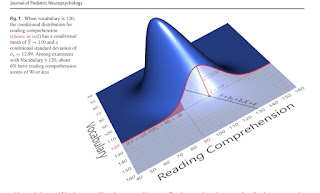
Detecting Unusual Score Patterns in the Context of Relevant Predictors-Joel Schneider on a neuropsych assessment issue

Anytime Dr. Joel Schneider drops an article that provides "smart" routines/software to help solve some of the persistent and complex problems in cognitive test interpretation, I make sure to pay attention.  Progress is and can be made.

Detecting Unusual Score Patterns in the Context of Relevant Predictors | SpringerLink 
https://link.springer.com/article/10.1007/s40817-022-00137-x

Abstract

Neuropsychological assessment requires integrating new information with what is already known about an examinee. In constructing a case conceptualization, it can be helpful to quantify how unusual a pattern of scores is in the context of other quantitative data. This tutorial explains how two powerful statistical and psychometric concepts, conditional distributions and the Mahalanobis distance, are especially useful when used together to identify unusual score patterns after controlling for other scores. Graphical illustrations, R code, and instructions for a free and user-friendly web app are provided.

******************************************
Kevin S. McGrew, PhD
Educational & School Psychologist
Director
Institute for Applied Psychometrics (IAP)
https://www.themindhub.com
******************************************

Tuesday, March 07, 2023

From MDPI: "It Runs in the Family: Testing for Longitudinal Family Flynn Effects"

https://www.mdpi.com/2177634:

It Runs in the Family: Testing for Longitudinal Family Flynn Effects

The Flynn effect refers to increases over time in measured (particularly fluid) intelligence of approximately 3 IQ points per decade. We define the Flynn effect at the family level, using longitudinal data and two new family-level cohort definitions. Multilevel growth curve analyses of the National Longitudinal Survey of Youth 1979 data showed that children in families with later-born mothers had higher average PIAT math scores, and lower average reading comprehension scores and growth, in young and middle childhood. Children in families where the first child was born later had higher average PIAT math, reading recognition, and reading comprehension scores, as well as larger developmental growth. The latter family-level Flynn effects were of higher magnitudes than the usual individual-level Flynn effect found in previous studies. Our results, showing family level-intercept and slope Flynn effects for both maternal birthyear and first child birthyear, have implications for research aiming to explain the Flynn effect.


******************************************************
Kevin McGrew, PhD
Educational Psychologist
Director, Institute for Applied Psychometrics
IAP
www.themindhub.com
******************************************************

Friday, March 03, 2023

Looking for Flynn effects in a recent online U.S. adult sample: Examining shifts within the SAPA Project - ScienceDirect

 Looking for Flynn effects in a recent online U.S. adult sample: Examining shifts within the SAPA Project - ScienceDirect 
https://www.sciencedirect.com/science/article/pii/S0160289623000156?via%3Dihub

Compared to European countries, research is limited regarding if the Flynn effect, or its reversal, is a current phenomenon in the United States. Though recent research on the United States suggests that a Flynn effect could still be present, or partially present, among child and adolescent samples, few studies have explored differences of cognitive ability scores among US adults. Thirteen years of cross-sectional data from a subsample of adults (n 

= 394,378) were obtained from the Synthetic Aperture Personality Assessment Project (SAPA Project) to examine if cognitive ability scores changed within the United States from 2006 to 2018. Responses to an overlapping set of 35 (collected 2006–2018) and 60 (collected 2011–2018) items from the open-source multiple choice intelligence assessment International Cognitive Ability Resource (ICAR) were used to examine the trends in standardized average composite cognitive ability scores and domain scores of matrix reasoning, letter and number series, verbal reasoning, and three-dimensional rotation. Composite ability scores from 35 items and domain scores (matrix reasoning; letter and number series) showed a pattern consistent with a reversed Flynn effect from 2006 to 2018 when stratified across age, education, or gender. Slopes for verbal reasoning scores, however, failed to meet or exceed an annual threshold of |0.02| SD. A reversed Flynn effect was also present from 2011 to 2018 for composite ability scores from 60 items across age, education, and gender. Despite declining scores across age and demographics in other domains of cognitive ability, three-dimensional rotation scores showed evidence of a Flynn effect with the largest slopes occurring across age stratified regressions.

******************************************
Kevin S. McGrew, PhD
Educational & School Psychologist
Director
Institute for Applied Psychometrics (IAP)
https://www.themindhub.com
******************************************

Tuesday, February 21, 2023

Reframing the clouded scientific spectacles of the Flynn effect: A view through two lenses - ScienceDirect

 Reframing the clouded scientific spectacles of the Flynn effect: A view through two lenses - ScienceDirect 
https://www.sciencedirect.com/science/article/abs/pii/S0160289623000168?via%3Dihub

Flynn argued that the Flynn effect was due to an increasing use of "scientific spectacles" among the general population (Flynn, 2010), yet the Flynn effect itself has been viewed through clouded scientific spectacles. Most research has focused on Flynn's main finding: IQ scores have increased over time. Flynn (1987) presumed the effect was a cohort (generational) effect, yet a variety of within- and between-person processes could give rise to the observed secular changes. Many theories have been put forth as to the fundamental cause of the Flynn effect. Frequently ignored is what a specific cause implies the Flynn effect would look like at different levels of analysis and in the context of different research designs. In this paper we present two 'lenses' with which to view a potential causal model of the Flynn effect, in the hopes of closing some of the current gaps emerging from past research. First, we propose an examination of within- versus between-person processes. Relatedly, we propose that the exclusive focus on normed measures of intelligence has hampered understanding of what functional form the Flynn effect might take, particularly during development. Consideration of "raw" intelligence is likely to be fruitful. For our second lens, we consider the framework of age-period-cohort modeling to categorize what kind of effect a given model implies. We examine several causal theories of the Flynn effect through these lenses. Viewed through our lenses, we find that certain causal theories are, perhaps, somewhat incomplete in their specification of all the relevant processes.

******************************************
Kevin S. McGrew, PhD
Educational & School Psychologist
Director
Institute for Applied Psychometrics (IAP)
https://www.themindhub.com
******************************************

Saturday, February 18, 2023

Detecting Unusual Score Patterns in the Context of Relevant Predictors | SpringerLink

From the brilliance of Dr. Joel Schneider.  Although statistically complicated, these procedures (and other similar beauties by Dr. Schneider) could easily be implemented in test "smart" scoring software. 

Detecting Unusual Score Patterns in the Context of Relevant Predictors | SpringerLink 
https://link.springer.com/article/10.1007/s40817-022-00137-x

Neuropsychological assessment requires integrating new information with what is already known about an examinee. In constructing a case conceptualization, it can be helpful to quantify how unusual a pattern of scores is in the context of other quantitative data. This tutorial explains how two powerful statistical and psychometric concepts, conditional distributions and the Mahalanobis distance, are especially useful when used together to identify unusual score patterns after controlling for other scores. Graphical illustrations, R code, and instructions for a free and user-friendly web app are provided.


******************************************
Kevin S. McGrew, PhD
Educational & School Psychologist
Director
Institute for Applied Psychometrics (IAP)
https://www.themindhub.com
******************************************

Tuesday, February 14, 2023

Cognitive Control in Adolescents and Young Adults with Media Multitasking Experience: a Three-Level Meta-analysis | SpringerLink

 Cognitive Control in Adolescents and Young Adults with Media Multitasking Experience: a Three-Level Meta-analysis | SpringerLink 
https://link.springer.com/article/10.1007/s10648-023-09746-0

Media multitasking is an ever-increasing phenomenon whereby different forms of media are used simultaneously. Numerous studies have shown that media multitasking is closely related to an individual's cognitive control abilities. However, existing evidence remains controversial, making it difficult to draw definitive conclusions. Therefore, to increase the understanding of whether and how frequent media multitasking is associated with cognitive control, a three-level meta-analysis, which included 43 studies and 118 effect sizes, was performed to acquire overall differences between heavy and light media multitaskers and to explore potential moderators that may account for the heterogeneity. The results showed a moderate mean negative association between media multitasking and cognitive control, and this association was moderated by the type of cognitive control. Specifically, heavy media multitaskers showed worse inhibitory control and working memory than light media multitaskers, but there was no significant difference in cognitive flexibility. Moreover, the effect was moderated by the measurement type of the dependent variable. The results of this study enhance our understanding of this issue and pave the way for a more nuanced view of altering experimental designs to investigate cognitive control in educational settings.

******************************************
Kevin S. McGrew, PhD
Educational & School Psychologist
Director
Institute for Applied Psychometrics (IAP)
https://www.themindhub.com
******************************************

Opinions on intelligence: An Arab perspective - ScienceDirect

 Opinions on intelligence: An Arab perspective - ScienceDirect 
https://www.sciencedirect.com/science/article/abs/pii/S0160289623000120?via%3Dihub

The issue of cultural differences in how the concept of intelligence is understood has long been debated. But do such differences really exist and, if so, to what extent do they exist and between which cultures are they the most pronounced? To better understand this, we translated a survey from Warne and Burton (2020) on beliefs about intelligence into Arabic, distributed it among psychology and non-psychology students and lecturers at universities within the Arab world, and compared our results with those from the US given by Warne and Burton, and with the current state of research. The survey consisted of 83 items about theories regarding the meaning and testing of intelligence. From our sample of up to 327 Arabic-speaking participants, we found that replies are overall similar to those from the US (r = .59; Nitems = 63), while both samples showed hardly any congruence with the current state of research. Agreements between the Arab and US-sample are mostly to be found on questions in which abilities are seen as important components of intelligence, while Arabs question the predictive validity of IQ test scores for life success much more than do their Western counterparts. Based on our results, we conclude that there is little evidence for the existence of cultural bias in points of view about intelligence research and that the concept of cultural non-transferability – or "cultural bias" – must be examined more critically.

******************************************
Kevin S. McGrew, PhD
Educational & School Psychologist
Director
Institute for Applied Psychometrics (IAP)
https://www.themindhub.com
******************************************

Thursday, February 09, 2023

Sharing "Rethinking Executive Functions in Mathematical Cognition" via BrowZine

Rethinking Executive Functions in Mathematical Cognition
Medrano, Josh; Prather, Richard W.
Journal of Cognition and Development: Articles In Press, 2023.

10.1080/15248372.2023.2172414

New perspectives on executive functions propose a greater involve- ment of context. These perspectives have implications for research in mathematical cognition. We tackle the problem that although indivi- duals clearly exercise inhibitory control in mathematical contexts, researchers find that the relations between inhibitory control and mathematics are sometimes "weaker than expected." In this review, we identify how children and adults use inhibitory control in specific foundational symbolic and non-symbolic mathematical contexts, with attention to concepts learned in primary (6 to 12) years. Then, we argue that considering context (e.g., task features, participant's state, and prior knowledge) will allow researchers to thoroughly investigate the mechanistic role of cognitive processes involved in mathematical tasks
******************************************************
Kevin McGrew, PhD
Educational Psychologist
Director, Institute for Applied Psychometrics
IAP
www.themindhub.com
******************************************************

Sharing "Strategy and Core Cognitive Training Effects on Working Memory Performance: A Systematic Review and Meta-Analysis" via BrowZine

Strategy and Core Cognitive Training Effects on Working Memory Performance: A Systematic Review and Meta-Analysis
Ben Izhak, Shachar; Lavidor, Michal
Journal of Cognition and Development: Articles In Press, 2023.

10.1080/15248372.2023.2172413

The field of cognitive training (CT) has been researched for over a century. However, there is still a debate regarding its ability to produce cognitive improvement, especially in working memory (WM) indices. This meta-analysis examined whether there is an advantage in training gains by comparing the results of two specific WM training approaches, Core Training (CRT) and Strategy Training (ST). Meta- analytic techniques were used to summarize 28 independent effect sizes from 24 studies with 1521 subjects, calculated only from studies that compared both training approaches in a single study. We found moderate effect sizes of trained tasks improvement with a clear advan- tage to ST over CRT, from which younger trainees benefitted the most. However, this advantage has almost disappeared for untrained tasks due to the limited improvement each approach produced on its own.
Kevin McGrew, PhD
Educational Psychologist
Director, Institute for Applied Psychometrics
IAP
www.themindhub.com
******************************************************

Sharing "A sensorimotor perspective on numerical cognition" via BrowZine

A sensorimotor perspective on numerical cognition
Sixtus, Elena; Krause, Florian; Lindemann, Oliver; Fischer, Martin H.
Trends in Cognitive Sciences: Articles In Press, 2023.

10.1016/j.tics.2023.01.002

Numbers are present in every part of modern society and the human capacity to use numbers is unparalleled in other species. Understanding the mental and neural representations supporting this capacity is of central interest to cognitive psychology, neuroscience, and education. Embodied numerical cognition theory suggests that beyond the seemingly abstract symbols used to refer to numbers, their underlying meaning is deeply grounded in sensorimotor experiences, and that our specific understanding of numerical information is shaped by actions related to our fingers, egocentric space, and experiences with magnitudes in everyday life. We propose a sensorimotor perspective on numerical cognition in which number comprehension and numerical proficiency emerge from grounding three distinct numerical core concepts: magnitude, ordinality, and cardinality
******************************************************
Kevin McGrew, PhD
Educational Psychologist
Director, Institute for Applied Psychometrics
IAP
www.themindhub.com
******************************************************

Sharing "Stability of mental abilities and physical growth from 6 months to 65 years: Findings from the Zurich Longitudinal Studies" via BrowZine

Stability of mental abilities and physical growth from 6 months to 65 years: Findings from the Zurich Longitudinal Studies
Eichelberger, Dominique A.; Sticca, Fabio; Kübler, Dinah R.; Kakebeeke, Tanja H.; Caflisch, Jon A.; Jenni, Oskar G.; Wehrle, Flavia M.
Intelligence: Vol. 97, p. 101730, 2023.

10.1016/j.intell.2023.101730

Mental abilities and physical growth are important determinants of health across the lifespan. Here, the stability of these traits was assessed from 6 months to 65 years of age to investigate periods of stability and malleability. Mental abilities, height, and weight were assessed at 11 time-points in participants of the Zurich Longitudinal Studies. Individuals with more than three missing data points per trait across the 11 assessment time-points (i.e., more than approx. 25% missing data) were excluded from further analyses (final N = 281). Bivariate cross-time correlations showed that the stability of mental abilities was low in infancy and gradually increased. The stability of growth measures was uniform across development, with height being highly stable and weight moderately so. When a latent model was used, the overall stability of mental abilities approached that of weight. The findings indicate that stability and malleability across development differ between mental abilities and growth measures. This requires consideration in interventions targeting these traits as facilitators for improving health outcomes.
******************************************************
Kevin McGrew, PhD
Educational Psychologist
Director, Institute for Applied Psychometrics
IAP
www.themindhub.com
******************************************************

Tuesday, January 24, 2023

Sharing "What Is the Source of the Correlation Between Reading and Mathematics Achievement? Two Meta-analytic Studies" via BrowZine

What Is the Source of the Correlation Between Reading and Mathematics Achievement? Two Meta-analytic Studies
Ünal, Zehra E.; Greene, Nathaniel R.; Lin, Xin; Geary, David C.
Educational Psychology Review: Vol. 35 Issue 1, p. 4, 2023.

Abstract Two meta-analyses assessed whether the relations between reading and mathematics outcomes could be explained through overlapping skills (e.g., systems for word and fact retrieval) or domain-general influences (e.g., top-down attentional control). The first (378 studies, 1,282,796 participants) included weighted random-effects meta-regression models to explore and contrast the magnitudes of the links between dif-ferent reading and mathematical competencies. The second (138 studies, 39,836 par-ticipants) used meta-analytic structural equation modeling to determine the influence of a domain-general factor, defined by intelligence, executive functioning, working and short-term memory, and processing speed measures, on the link between read-ing and mathematics skills. The overall relation was significant (r=0.52), as were all associations between specific reading and mathematics measures (rs = 0.23 to 0.61, ps<.05). Most of the correlations were similar across different types of reading and mathematics competencies, although generally smaller than within-domain correla-tions. The domain-general model explained most of the covariance between reading and mathematics outcomes, with a few modest moderating effects (e.g., age). The results imply correlations between reading and mathematics measures are largely due to domain-general processes, although within-domain correlations confirm the importance of overlapping competencies especially for reading.

Keywords  Reading · Mathematics · Domain-general ability · Meta-analyses


******************************************************
Kevin McGrew, PhD
Educational Psychologist
Director, Institute for Applied Psychometrics
IAP
www.themindhub.com
******************************************************

Wednesday, January 18, 2023

What lies beneath the structure of intelligence? Overview of the special issue on the processes underlying intelligence - ScienceDirect

What lies beneath the structure of intelligence? Overview of the special issue on the processes underlying intelligence - ScienceDirect
https://www.sciencedirect.com/science/article/abs/pii/S0160289623000016?via%3Dihub

******************************************
Kevin S. McGrew, PhD
Educational & School Psychologist
Director
Institute for Applied Psychometrics (IAP)
https://www.themindhub.com
******************************************

Saturday, January 07, 2023

Effectiveness of digital game-based trainings in children with neurodevelopmental disorders: A meta-analysis - ScienceDirect

 Effectiveness of digital game-based trainings in children with neurodevelopmental disorders: A meta-analysis - ScienceDirect 
https://www.sciencedirect.com/science/article/abs/pii/S0891422222002487?via%3Dihub

Abstract
Digital game-based training programs have recently been used to train the cognitive abilities of children with neurodevelopmental disorders (NDDs). However, the effects of training remain controversial. The present meta-analysis explored the effectiveness of digital game-based training in children with NDDs and examined the possible moderators of its effects. Twenty-nine studies with cognitive outcomes in 1535 children were included in the present meta-analysis. The results showed that digital game-based training could significantly enhance the core cognitive abilities of children with each type of NDDs and that training could be used remotely. Meanwhile, task content and game features of digital game-based interventions separately make unique and significant contributions to the training effects, suggesting that the combination of training content and game features could efficiently improve children's cognition. Although the present study revealed that the training benefits could be maintained over a period of time, more studies are needed to explore the retention effects of digital game-based training. The present study provides a comprehensive understanding of the training effects of digital game-based interventions and new insights for future cognitive training design and application.

******************************************
Kevin S. McGrew, PhD
Educational & School Psychologist
Director
Institute for Applied Psychometrics (IAP)
https://www.themindhub.com
******************************************

Wednesday, December 21, 2022

A Big Five-Based Multimethod Social and Emotional Skills Assessment: The Mosaic by ACT& Social Emotional Learning Assessment

 J. Intell. | Free Full-Text | A Big Five-Based Multimethod Social and Emotional Skills Assessment: The Mosaic&trade; by ACT&reg; Social Emotional Learning Assessment 
https://www.mdpi.com/2079-3200/10/4/72
Abstract
A focus on implementing social and emotional (SE) learning into curricula continues to gain popularity in K-12 educational contexts at the policy and practitioner levels. As it continues to be elevated in educational discourse, it becomes increasingly clear that it is important to have reliable, validated measures of students' SE skills. Here we argue that framework and design are additional important considerations for the development and selection of SE skill assessments. We report the reliability and validity evidence for The Mosaic™ by ACT® Social Emotional Learning Assessment, an assessment designed to measure SE skills in middle and high school students that makes use of a research-based framework (the Big Five) and a multi-method approach (three item types including Likert, forced choice, and situational judgment tests). Here, we provide the results from data collected from more than 33,000 students who completed the assessment and for whom we have data on various outcome measures. We examined the validity evidence for the individual item types and the aggregate scores based on those three. Our findings support the contribution of multi-method assessment and an aggregate score. We discuss the ways the field can benefit from this or similarly designed assessments and discuss how the assessment results can be used by practitioners to promote programs aimed at stimulating students' personal growth.


******************************************
Kevin S. McGrew, PhD
Educational & School Psychologist
Director
Institute for Applied Psychometrics (IAP)
https://www.themindhub.com
******************************************

Friday, December 16, 2022

Metacognition and self-control: An integrative framework. - PsycNET

 Metacognition and self-control: An integrative framework. - PsycNET 
https://psycnet.apa.org/record/2023-29488-001

Hennecke, M., & Bürgler, S. (2022). Metacognition and self-control: An integrative framework. Psychological Review. Advance online publication. https://doi.org/10.1037/rev0000406

Abstract
Self-control describes the processes by which individuals control their habits, desires, and impulses in the service of long-term goals. Research has identified important components of self-control and proposed theoretical frameworks integrating these components (e.g., Inzlicht et al., 2021; Kotabe & Hofmann, 2015). In our perspective, these frameworks, however, do not yet fully incorporate important metacognitive aspects of self-control. We therefore introduce a framework explicating the role of metacognition for self-control. This framework extends existing frameworks, primarily from the domains of self-regulated learning and problem-solving (e.g., Schraw & Moshman, 1995; Zimmerman, 2000), and integrates past and contemporary research and theorizing on self-control that involves aspects of metacognition. It considers two groups of metacognitive components, namely, (a) individual metacognitive characteristics, that is a person's declarative, procedural, and conditional metacognitive knowledge about self-control, as well as their self-awareness (or metacognitive awareness), and (b) metacognitive regulatory processes that unfold before a self-control conflict (forethought and prevention), when a self-control conflict is identified, during a self-control conflict (regulation and monitoring), and after a self-control conflict (reflection and evaluation). The proposed framework integrates existing research and will be useful for highlighting new directions for research on the role of metacognition for self-control success and failure. (PsycInfo Database Record (c) 2022 APA, all rights reserved)


******************************************
Kevin S. McGrew, PhD
Educational & School Psychologist
Director
Institute for Applied Psychometrics (IAP)
https://www.themindhub.com
******************************************

Thursday, December 08, 2022

Full article: Editorial Introduction to the Special Issue “Advances in the Measurement and Evaluation of Creativity”

Full article: Editorial Introduction to the Special Issue "Advances in the Measurement and Evaluation of Creativity"
https://www.tandfonline.com/doi/full/10.1080/10400419.2022.2152555

******************************************
Kevin S. McGrew, PhD
Educational & School Psychologist
Director
Institute for Applied Psychometrics (IAP)
https://www.themindhub.com
******************************************

Monday, December 05, 2022

From MDPI: "Multidimensional Scaling of Cognitive Ability and Academic Achievement Scores" - Open Access….you can download and read for free!

I LOVE MDS and modern visual-graphic methods (e.g., psychometric network analysis) for analyzing multidimensional cognitive and achievement data

https://www.mdpi.com/1981340:

Multidimensional Scaling of Cognitive Ability and Academic Achievement ScoresMultidimensional scaling (MDS) was used as an alternate multivariate procedure for investigating intelligence and academic achievement test score correlations. Correlation coefficients among Wechsler Intelligence Scale for Children, Fifth Edition (WISC-5) and Wechsler Individual Achievement Test, Third Edition (WIAT-III) validity sample scores and among Kaufman Assessment Battery for Children, Second Edition (KABC-II) and Kaufman Test of Educational Achievement, Second Edition (KTEA-2) co-norming sample scores were analyzed using multidimensional scaling (MDS). Three-dimensional MDS configurations were the best fit for interpretation in both datasets. Subtests were more clearly organized by CHC ability and academic domain instead of complexity. Auditory-linguistic, figural-visual, reading-writing, and quantitative-numeric regions were visible in all models. Results were mostly similar across different grade levels. Additional analysis with WISC-V and WIAT-III tests showed that content (verbal, numeric, figural) and response process facets (verbal, manual, paper-pencil) were also useful in explaining test locations. Two implications from this study are that caution may be needed when interpreting fluency scores across academic areas, and MDS provides more empirically[...]


******************************************************
Kevin McGrew, PhD
Educational Psychologist
Director, Institute for Applied Psychometrics
IAP
www.themindhub.com
******************************************************

Thursday, December 01, 2022

Ongoing trends of human intelligence - ScienceDirect

 Ongoing trends of human intelligence - ScienceDirect 
https://www.sciencedirect.com/science/article/abs/pii/S0160289622000897?via%3Dihub

Abstract
The aim of the study is to estimate the most recent trends of intelligence world-wide. We find that the most recent studies report mainly positive Flynn effects in economically less developed countries, but trivial and frequently negative Flynn effects in the economically most advanced countries. This is confirmed by an analysis of 48 countries in the 2000–2018 PISA tests, showing that high pre-existing IQ and school achievement are the best predictors of declining test scores. IQ gaps between countries are still large (e.g., 19 IQ points in PISA between East Asia and South Asia) but are diminishing world-wide. We predict that these trends, observed in adolescents today, will reduce cognitive gaps between the working-age populations of countries and world regions during coming decades. As is predicted by the well-established relationship between intelligence and economic growth, there is already evidence that the ongoing cognitive convergence is paralleled by global economic convergence. These developments raise questions as to how long this cognitive and economic convergence will continue, whether it will eliminate cognitive and economic gaps between countries entirely, and whether a condition with high levels of cognitive ability and economic prosperity is sustainable long-term.

******************************************
Kevin S. McGrew, PhD
Educational & School Psychologist
Director
Institute for Applied Psychometrics (IAP)
https://www.themindhub.com
******************************************